Eye Masks: Do They Actually Help You Sleep Better?
⚡ Key Clinical Takeaways
- An eye mask is a soft covering worn over the eyes during sleep to block out light.
- Blackout curtains typically block more total room light than an eye mask, but they require installation and cost more.
- Some small studies suggest that using an eye mask together with earplugs can improve subjective sleep quality in noisy or bright environments, such as hospital wards or during travel.
- Silk masks are often marketed as gentle on skin and hair, while cotton masks tend to be breathable and machine washable.
- If you snore loudly, wake up gasping, or feel excessively tired during the day despite using a mask, the issue may be a sleep disorder such as obstructive sleep apnea.
Quick answer: Eye masks are fabric sleep accessories that cover the eyes to block light. For many people, wearing an eye mask can support darker sleep conditions and may help with falling asleep, especially in rooms with streetlights or early sunrise. They are not medical devices and do not treat sleep apnea, insomnia, or other sleep disorders.
What are eye masks?
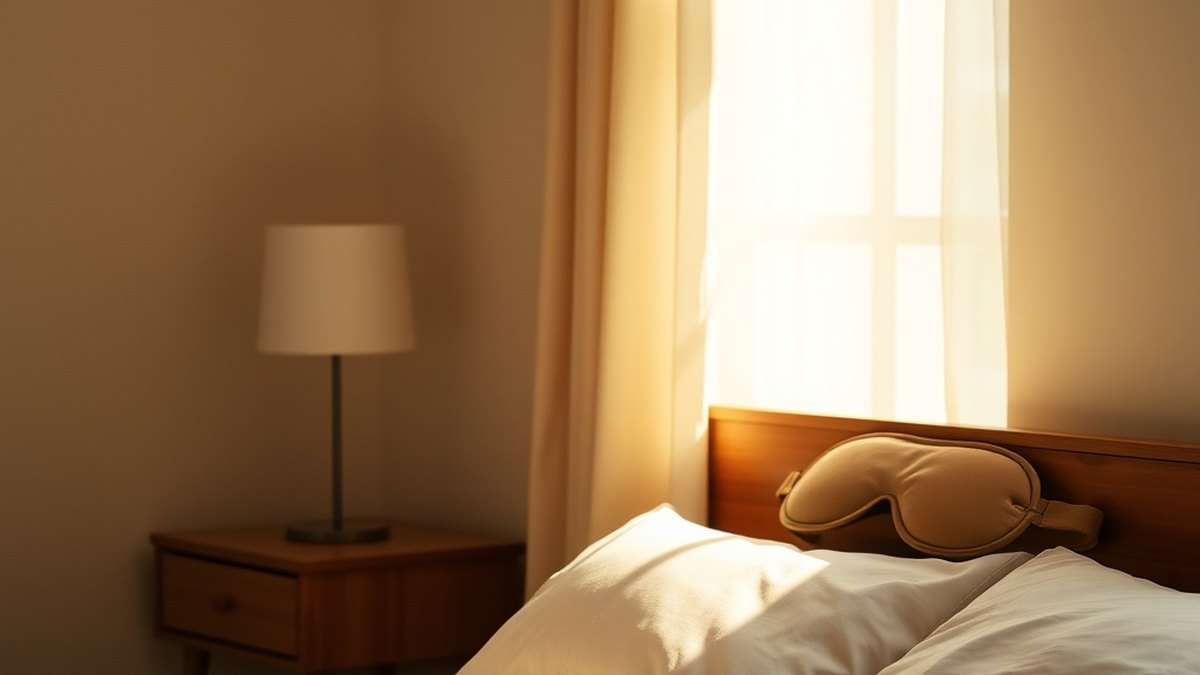
An eye mask is a soft covering worn over the eyes during sleep to block out light. Most are made from silk, cotton, polyester, or foam, and they stay in place with an elastic or adjustable strap. Eye masks are widely sold as consumer sleep products, not as regulated medical devices.
Light exposure at night can suppress melatonin, a hormone that helps regulate the sleep-wake cycle. By creating darkness, an eye mask may help some people fall asleep faster or stay asleep longer. However, evidence is mixed, and an eye mask will not fix underlying sleep problems such as obstructive sleep apnea or chronic insomnia.
How eye masks compare with other light-blocking options
Blackout curtains typically block more total room light than an eye mask, but they require installation and cost more. A sleep mask is portable and works while traveling, yet it can shift during the night or feel uncomfortable on the face. Compared with wearing a wraparound sleep mask, a simple contoured mask often leaves less pressure on the eyelids.
| Option | Light blocking | Typical cost | Portability |
|---|---|---|---|
| Contoured eye mask | Moderate to high | $10–$30 | High |
| Blackout curtains | High | $30–$100+ | Low |
| Wraparound mask | High | $15–$40 | Moderate |
| Smartphone night mode | Low | Free | N/A |
What the research says about sleep masks
Some small studies suggest that using an eye mask together with earplugs can improve subjective sleep quality in noisy or bright environments, such as hospital wards or during travel. Other research finds little objective difference in total sleep time when healthy adults wear a mask in an already dark room.
There is no strong evidence that eye masks increase deep sleep or REM sleep by a specific amount. Any benefit usually comes from reducing light disruption rather than from the mask itself changing brain activity.
Materials, fit, and features to consider
Silk masks are often marketed as gentle on skin and hair, while cotton masks tend to be breathable and machine washable. Foam or contoured masks create a pocket over the eyes so the fabric does not press directly on the eyelids, which some side sleepers prefer.
Look for an adjustable strap so the mask stays secure without being too tight. A mask that is too loose will let light in around the nose; one that is too tight can cause headaches or leave marks on the skin. Washable covers are practical for regular use.
How to use an eye mask safely
- Wash the mask before first use to remove manufacturing residues.
- Adjust the strap so it feels snug but not tight around the head.
- Position the mask so it fully covers the eyes without pressing on the eyelids.
- Use it consistently at bedtime, and remove it immediately if you feel pain, pressure, or skin irritation.
- Replace the mask when the elastic loses tension or the fabric wears thin.
When an eye mask is not enough
If you snore loudly, wake up gasping, or feel excessively tired during the day despite using a mask, the issue may be a sleep disorder such as obstructive sleep apnea. An eye mask cannot open an airway or treat apnea events.
Similarly, if you have trouble falling or staying asleep most nights for more than a few weeks, cognitive behavioral therapy for insomnia may be more effective than a sleep accessory. You can read more about CBT-I for insomnia or review sleep apnea symptoms and warning signs.
FAQs about eye masks
Do eye masks help you fall asleep faster?
They can help some people by blocking light, but results vary and there is no guarantee they will shorten the time it takes to fall asleep.
Can I wear an eye mask every night?
Yes, many people use them nightly as long as the mask fits well and does not cause skin irritation or discomfort.
Are weighted eye masks better?
Some users find gentle pressure relaxing, but there is limited evidence that weighted masks improve sleep more than standard masks.
Do eye masks stop snoring?
No. Eye masks block light only and do not treat snoring or sleep apnea.
How often should I wash my eye mask?
Wash it weekly or as directed by the manufacturer, especially if you use it every night.
Should I see a doctor if an eye mask does not help?
Yes. If poor sleep persists despite good habits, speak with a healthcare provider. This article is not medical advice.
Ready to find an accredited sleep clinic near you?
Browse 7,246 verified sleep centers (4,975 AASM accredited), filter by tests and treatments, and reach out directly — all in one verified directory.
🔍 Search Accredited Centersor call a clinic directly from its profile — every listing has a verified phone number.
This medical guide complies with the American Academy of Sleep Medicine (AASM) standards of care for sleep disorders and reflects generally accepted clinical guidelines. It is informational and not a substitute for personalized medical advice.