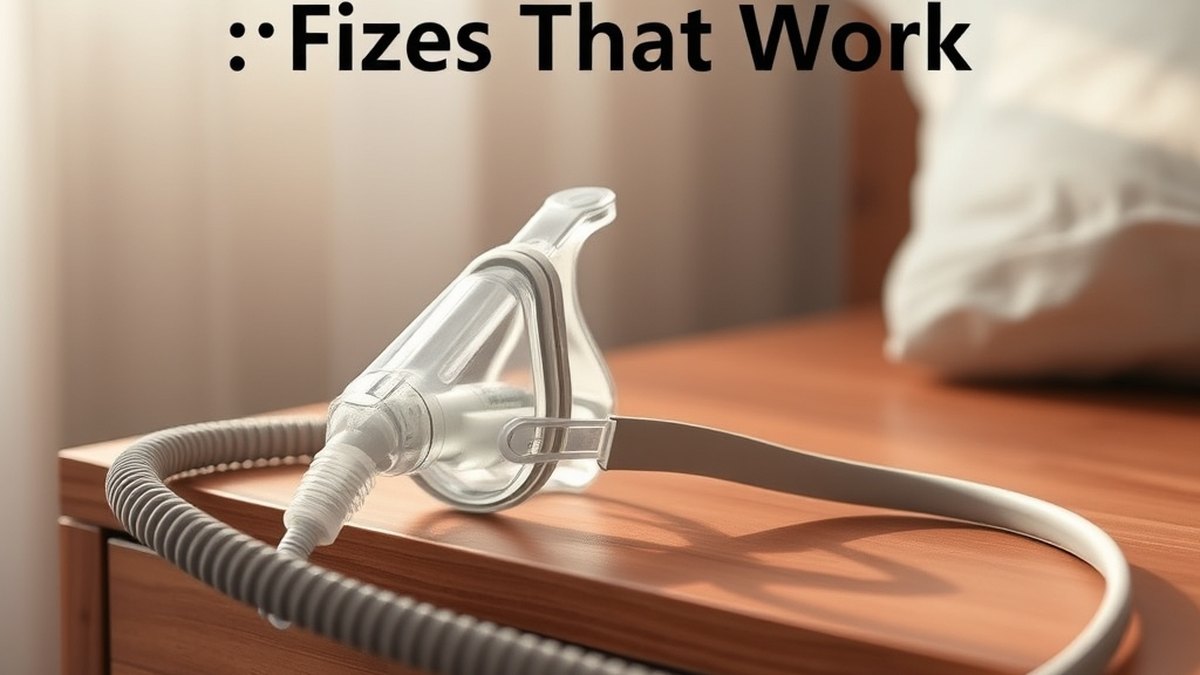
CPAP and Strap Marks: Fixes That Work
⚡ Key Clinical Takeaways
- CPAP strap marks are skin impressions left by the headgear that holds a CPAP mask in place.
- Strap marks happen when headgear is tightened too much or when the mask cushion does not seal properly, leading users to pull straps tighter to stop air leaks.
- Start by loosening the headgear one notch at a time until the mask still seals but does not dig into your skin.
- Soft fabric mask liners create a barrier between the silicone cushion and your skin, which can spread pressure and reduce visible marks.
- Wash your face before putting on the mask to remove oils that can break the seal and prompt overtightening.
Quick answer: CPAP strap marks are temporary red lines or indentations on the face caused by mask headgear pressing against the skin during sleep. They are common and usually fade after removing the mask. Loosening straps, trying mask liners, adjusting cushion position, and checking mask size with your clinician often help reduce them.
What are CPAP strap marks?
CPAP strap marks are skin impressions left by the headgear that holds a CPAP mask in place. CPAP is a type of positive airway pressure therapy used for sleep-related breathing issues. The marks typically appear on the forehead, cheeks, nose bridge, or around the ears where straps make contact. Most people notice them in the morning after taking the mask off. They are usually temporary and tend to fade within minutes to hours, though some people experience repeated marks night after night.
Why do strap marks happen?
Strap marks happen when headgear is tightened too much or when the mask cushion does not seal properly, leading users to pull straps tighter to stop air leaks. Sleep position can also press the mask deeper into the skin. Facial hair, skin sensitivity, and mask material may contribute. A mask that is the wrong size or style for your face shape often creates pressure points. The goal is a secure seal without excessive tension, which is something your clinician or a sleep clinic specialist can help you assess.
How to adjust your mask fit
Start by loosening the headgear one notch at a time until the mask still seals but does not dig into your skin. Many CPAP masks have quick-release clips or adjustable buckles on each side. Position the cushion so it sits evenly on your face rather than tilted. If you sleep on your side, try a pillow designed for CPAP users to reduce mask shift. Check the mask size guide from the manufacturer, and consider asking your clinician about a refitting if marks persist. A well-fitted mask should not require overtightening to prevent leaks.
Mask liners and cushion options
Soft fabric mask liners create a barrier between the silicone cushion and your skin, which can spread pressure and reduce visible marks. Liners are available in different materials and sizes to match common mask models. Some cushions are made of memory foam or softer gel alternatives that may feel gentler on the face. Replacing a worn-out cushion can also help, because older materials may lose their shape and require tighter straps. Always follow the manufacturer’s cleaning and replacement schedule.
Skin care and morning routine
Wash your face before putting on the mask to remove oils that can break the seal and prompt overtightening. After removing the mask, gently cleanse the areas where straps touched and apply a fragrance-free moisturizer if your skin feels dry. If marks remain red or irritated for more than a day, take a break from that mask style if possible and contact your clinician. Avoid using harsh scrubs or adhesive bandages over pressure points without professional input.
When to contact your clinician
Contact your clinician if strap marks do not fade, if you develop skin breakdown, or if air leaks continue despite fit adjustments. You may need a different mask size, a different mask style such as nasal pillows versus a full-face mask, or a pressure setting review. Sleep clinics often offer mask fitting appointments and troubleshooting visits. You can also compare local sleep clinics in the directory to find a provider near you.
Quick comparison: common mask styles
| Mask style | Typical contact points | Common strap mark areas |
|---|---|---|
| Nasal pillows | Nostril openings | Upper lip, sides of nose |
| Nasal mask | Nose bridge and sides | Forehead, cheeks |
| Full-face mask | Nose and mouth | Forehead, cheeks, lower face |
Steps to reduce strap marks
- Loosen headgear one notch at a time while checking for air leaks.
- Reposition the cushion so it sits evenly without tilting.
- Try a fabric mask liner sized for your mask model.
- Use a CPAP-friendly pillow if you sleep on your side.
- Replace worn cushions according to the manufacturer schedule.
- Contact your clinician if marks persist or skin becomes irritated.
Frequently asked questions
Are CPAP strap marks permanent?
No. Strap marks are usually temporary impressions that fade after the mask is removed. If a mark lasts for days or the skin breaks down, contact your clinician.
Can I loosen the straps if my mask leaks?
Loosening slightly may help if overtightening is causing the leak by distorting the cushion. If leaks continue, your clinician can check mask size or style.
Do mask liners work for everyone?
Liners help many people, but fit varies by mask model and face shape. Try liners designed for your specific mask and check with your clinician if irritation continues.
How often should I replace my CPAP cushion?
Replacement timing varies by manufacturer and usage, often ranging from a few months to twice a year. Follow the schedule that came with your equipment.
Can sleep position affect strap marks?
Yes. Side or stomach sleeping can press the mask into the face and shift the cushion, which may increase pressure marks. A CPAP pillow may help.
Should I see a sleep specialist for strap marks?
Mild marks often improve with fit adjustments. If marks persist, skin breaks down, or leaks continue, contact your clinician or a sleep clinic for a fitting review.
This article is for general information only and is not medical advice. Talk to your clinician about your CPAP mask fit and any skin irritation. You can compare sleep clinics in the directory to find a provider near you.
Related reading
For more context, see what happens during a sleep study and signs you should see a sleep specialist.
Ready to find an accredited sleep clinic near you?
Browse 7,246 verified sleep centers (4,975 AASM accredited), filter by tests and treatments, and reach out directly — all in one verified directory.
🔍 Search Accredited Centersor call a clinic directly from its profile — every listing has a verified phone number.
This medical guide complies with the American Academy of Sleep Medicine (AASM) standards of care for sleep disorders and reflects generally accepted clinical guidelines. It is informational and not a substitute for personalized medical advice.