CPAP and Sanitizers: Equipment Care, Cleaning Methods, and Replacement Guidance
⚡ Key Clinical Takeaways
- CPAP and sanitizers refers to the combination of positive airway pressure devices and the cleaning or disinfecting products used on their parts.
- Sleep apnea equipment comes into contact with the face, breath, and moisture, which means residue can accumulate over time.
- Many CPAP users wash mask cushions and tubing by hand with mild, fragrance-free soap and warm water, then let parts air dry away from direct sunlight.
- The table below shows a simple comparison between two common approaches people consider when looking at CPAP and sanitizers.
- Before adding any sanitizing device to your routine, check the CPAP manufacturer's guidance for masks, tubing, and humidifier parts.
Quick answer: CPAP and sanitizers are often discussed together by people who use positive airway pressure equipment and want to keep masks, tubing, and humidifier chambers clean. There is no single required sanitizing method; many users rely on mild soap and water, while some choose devices that use ozone or ultraviolet light. Follow your equipment instructions and talk with your clinician about what fits your routine.
What CPAP and sanitizers means for equipment care
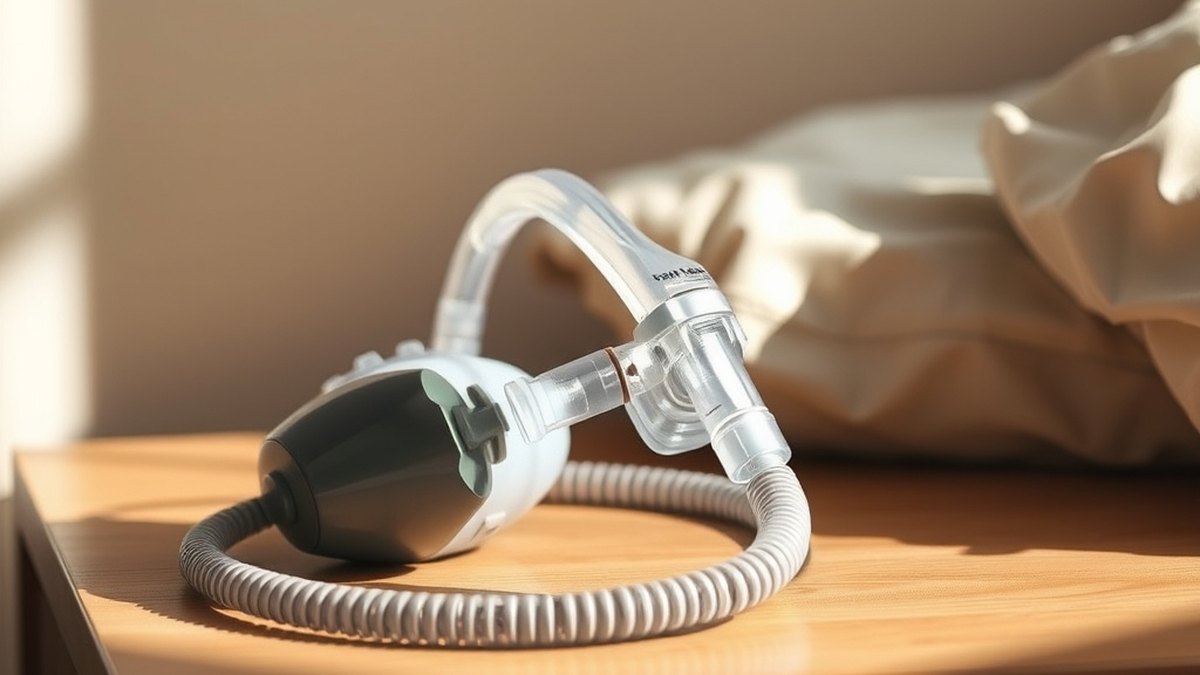
CPAP and sanitizers refers to the combination of positive airway pressure devices and the cleaning or disinfecting products used on their parts. A typical setup includes a flow generator, mask, cushion, tubing, and sometimes a heated humidifier chamber. These components contact the skin and exhaled air, so regular cleaning is commonly part of a user’s routine. Manufacturers usually provide specific instructions for each part, and those instructions often differ by brand and model. Understanding what the term covers can help you make informed choices about daily care without assuming that one approach is mandatory for everyone.
In practical terms, the flow generator is the main unit that produces pressurized air, while the mask delivers that air to the airway through a cushion that seals against the face. Tubing connects the mask to the generator, and a heated humidifier chamber adds moisture to the airflow to reduce dryness in the nose and throat. Because each part touches skin, breath, or moisture, users often develop separate care routines for each component rather than treating the entire setup as a single item to clean.
Why regular cleaning matters for CPAP users
Sleep apnea equipment comes into contact with the face, breath, and moisture, which means residue can accumulate over time. Organizations such as the American Academy of Sleep Medicine describe obstructive sleep apnea as a condition in which breathing repeatedly stops and starts during sleep https://aasm.org/, and consistent therapy depends on equipment that remains functional and comfortable. While there is no universal rule that a specific sanitizing method is required, keeping parts free of visible buildup and odors is a common goal. The NHLBI notes that sleep apnea can affect daytime alertness and overall health https://www.nhlbi.nih.gov/health/sleep-apnea, which is one reason many users pay close attention to equipment condition.
Residue on CPAP parts can include skin oils, exhaled moisture, dust, and mineral deposits from water. Over time, this buildup may contribute to mask cushion breakdown, tubing discoloration, or unpleasant smells that make nightly use less comfortable. Users who clean regularly often report fewer skin irritation issues and a more consistent seal, though individual results vary. Clinicians generally encourage users to inspect equipment weekly for visible grime, cloudiness in humidifier chambers, or stiffness in tubing, as these can signal that cleaning or replacement is overdue.
Common cleaning methods people use
Many CPAP users wash mask cushions and tubing by hand with mild, fragrance-free soap and warm water, then let parts air dry away from direct sunlight. Humidifier chambers are often emptied daily and rinsed, with distilled water typically recommended to reduce mineral buildup. Some users choose sanitizing devices that use ozone or ultraviolet light, while others stick to soap and water. Each method has different steps, contact times, and drying requirements, so reviewing the user manual is a practical first step. The Sleep Foundation offers general information about sleep health and devices https://www.sleepfoundation.org/, which can be useful alongside manufacturer guidance.
For manual washing, a typical routine involves disconnecting the mask cushion from the frame, soaking both in warm water with a small amount of mild soap, gently rubbing surfaces with fingers or a soft cloth, rinsing thoroughly under running water, and hanging or laying parts on a clean towel to dry completely before reassembly. Drying time often ranges from a few hours to overnight depending on humidity and airflow. Tubing can be flushed with soapy water, rinsed, and hung over a shower rod or drying rack so water drains out fully. Humidifier chambers are usually rinsed daily and allowed to air dry, with a deeper wash performed weekly or as the manufacturer directs.
How to compare cleaning options
The table below shows a simple comparison between two common approaches people consider when looking at CPAP and sanitizers.
| Approach | Typical steps | Common considerations |
|---|---|---|
| Soap and water | Wash mask and tubing, rinse, air dry | Low cost; requires daily or weekly time |
| Ozone or UV device | Place parts in chamber, run cycle, air out | Equipment cost; follow device instructions |
No method is universally required. The difference between manual washing and device-based sanitizing often comes down to cost, time, and personal preference. Your clinician can help you think through what matches your equipment and routine. If you are exploring broader sleep health topics, MedlinePlus provides an overview of sleep disorders https://medlineplus.gov/sleepdisorders.html.
When comparing options, users often weigh upfront expense against ongoing time commitment. Soap and water typically requires only household items and a few minutes per session, while ozone or UV devices involve a one-time purchase plus replacement parts such as filters or bulbs over time. Some users with limited mobility or tight schedules find device-based cycles more convenient, while others prefer the transparency of seeing parts rinsed and dried manually. Practical questions to ask include: How long does a full cycle take? Must parts be completely dry before reassembly? Are there specific soaps or cleaning agents to avoid? Does the method require disassembly of the mask each time?
What to check before using a sanitizer
Before adding any sanitizing device to your routine, check the CPAP manufacturer’s guidance for masks, tubing, and humidifier parts. Some materials may not be compatible with certain cleaning methods, and using an incompatible product could affect equipment durability. Look for instructions about water temperature, soap type, drying time, and replacement schedules. If anything is unclear, contacting the equipment provider or your clinician is a reasonable next step. It is also wise to confirm whether a cleaning method could affect any warranty or service agreement tied to your device.
Specific items to review in your manual include whether silicone cushions can withstand heat or chemical exposure, whether tubing should be submerged or only wiped, and whether humidifier chambers are safe for dishwasher use or require hand washing only. Some manufacturers list approved cleaning agents and prohibit others, such as bleach, alcohol-based solutions, or scented detergents, because these can degrade mask materials or leave irritating residues. A useful what-to-ask list when contacting your equipment provider includes: Is this sanitizing device compatible with my specific mask and tubing model? Will using it void any part of my warranty? Are there parts that should never be placed inside an ozone or UV chamber? What drying time is required before I can use the equipment again?
Replacement schedules and typical timelines
CPAP components have different expected lifespans. Mask cushions are often replaced every few months, while tubing and filters may follow different intervals. Humidifier chambers may last longer but are usually inspected regularly for wear or discoloration. These are typical ranges, not strict rules, and your specific equipment may differ. Keeping a simple log of when parts were last cleaned or replaced can help you stay consistent. Some insurance programs, including Medicare, provide coverage information for sleep studies and related services https://www.medicare.gov/coverage/sleep-studies, though coverage for replacement supplies varies by plan.
Typical replacement intervals users encounter include mask cushions roughly every three to six months, mask frames or headgear approximately every six to twelve months, tubing often every six to twelve months, and disposable filters as frequently as every two weeks or monthly depending on type and environment. Humidifier chambers may be replaced annually or when signs of wear appear, such as cracks, clouding, or mineral scaling that does not rinse away. Users in dusty homes or homes with pets sometimes replace filters more often. A simple replacement log can record the date each part was put into service, the date of last cleaning, and any observed issues such as leaks, stiffness, or discoloration, making it easier to discuss supply needs with a clinician or equipment provider.
When to contact your clinician
You may want to reach out to your clinician if you notice skin irritation, mask leaks, persistent nasal congestion, or changes in how your equipment feels. Questions about cleaning products, replacement timing, or whether a sanitizing device fits your setup are also appropriate topics. Your clinician can review your therapy and equipment needs without making changes on your behalf. If poor sleep is affecting daytime function, the CDC offers information about sleep deprivation https://www.nhlbi.nih.gov/health/sleep-deprivation, and OSHA provides resources on worker fatigue https://www.osha.gov/worker-fatigue.
Specific symptoms worth mentioning include redness or pressure sores where the mask cushion contacts the face, dry mouth or nose upon waking despite humidifier use, whistling or air escaping around the mask seal, and increased snoring or daytime sleepiness that returns after a period of improvement. When speaking with your clinician, consider asking: Could my cleaning routine be contributing to skin irritation? Should I adjust how often I replace cushions or filters? Is an ozone or UV sanitizer appropriate for my equipment? Would a different mask type reduce leaks or pressure points? Bringing your equipment or photos of worn parts to the appointment can help the clinician assess fit and condition more accurately.
Finding a sleep clinic for equipment questions
If you need help choosing a sleep clinic or want to discuss CPAP equipment and cleaning routines, the directory can help you compare options. You can also read about how to choose a sleep clinic or learn what happens during a sleep study. For signs that it may be time to see a specialist, see signs you should see a sleep specialist. The AASM patient education site offers additional background on sleep apnea https://sleepeducation.org/.
Travel and daily routine tips for CPAP equipment care
Traveling with CPAP equipment adds a few practical considerations to cleaning and maintenance. Many users pack a small travel-sized bottle of mild, fragrance-free soap and a clean mesh bag or breathable pouch so mask and tubing can air dry in a hotel room without being enclosed in a suitcase while damp. Distilled water may not be available at every destination, so some users plan ahead by identifying nearby stores or by bringing a supply for short trips; others use bottled water temporarily and rinse the chamber thoroughly upon returning home. When flying, CPAP devices are generally allowed as carry-on medical equipment, though users often check with their airline in advance about power requirements and battery options. A daily routine checklist might include emptying the humidifier chamber each morning, wiping the mask cushion with a damp cloth, inspecting tubing for condensation, and setting parts out to dry in a clean, well-ventilated area away from direct sunlight.
Troubleshooting common CPAP cleaning issues
Even with a regular routine, users sometimes encounter cleaning-related issues. Cloudy residue in a humidifier chamber often indicates mineral buildup, which can be addressed by following the manufacturer’s descaling or cleaning guidance rather than using abrasive scrubbers that might scratch the surface. A persistent odor in mask or tubing may suggest incomplete drying or soap residue, prompting users to rinse more thoroughly and allow extra drying time before reassembly. Sticky or tacky-feeling silicone cushions can result from certain lotions, oils, or incompatible cleaning products, so reviewing the manual for approved soaps is a sensible step. If tubing develops small cracks or the mask seal no longer holds, replacement is typically the next step rather than continued cleaning. Users who notice recurring issues despite proper care may want to discuss equipment compatibility or alternative mask styles with their clinician.
Frequently asked questions
Do I need a sanitizer for my CPAP equipment?
No. Many people clean CPAP parts with mild soap and water. Sanitizing devices are optional, and you should follow your equipment manufacturer’s instructions.
Can I use tap water in my humidifier?
Distilled water is commonly recommended to reduce mineral buildup. Check your device manual for the specific guidance that applies to your model.
How often should I clean my mask and tubing?
Many users wash mask cushions and tubing weekly, though some manufacturers suggest more frequent cleaning. Review your user manual for the schedule that fits your equipment.
Are ozone sanitizers safe for all CPAP parts?
Not necessarily. Some materials may not be compatible with ozone or UV cleaning. Confirm compatibility with your equipment provider or clinician before use.
When should I replace CPAP supplies?
Replacement timing varies by part and manufacturer. Mask cushions are often replaced every few months, while filters and tubing may follow different schedules.
Who can help me with CPAP equipment questions?
Your clinician or durable equipment provider can discuss cleaning, replacement, and therapy questions. This article is not medical advice.
Ready to find an accredited sleep clinic near you?
Browse 7,246 verified sleep centers (4,975 AASM accredited), filter by tests and treatments, and reach out directly — all in one verified directory.
🔍 Search Accredited Centersor call a clinic directly from its profile — every listing has a verified phone number.
This medical guide complies with the American Academy of Sleep Medicine (AASM) standards of care for sleep disorders and reflects generally accepted clinical guidelines. It is informational and not a substitute for personalized medical advice.