CPAP Ramp Time: What It Is, How to Adjust It, and Common Fixes
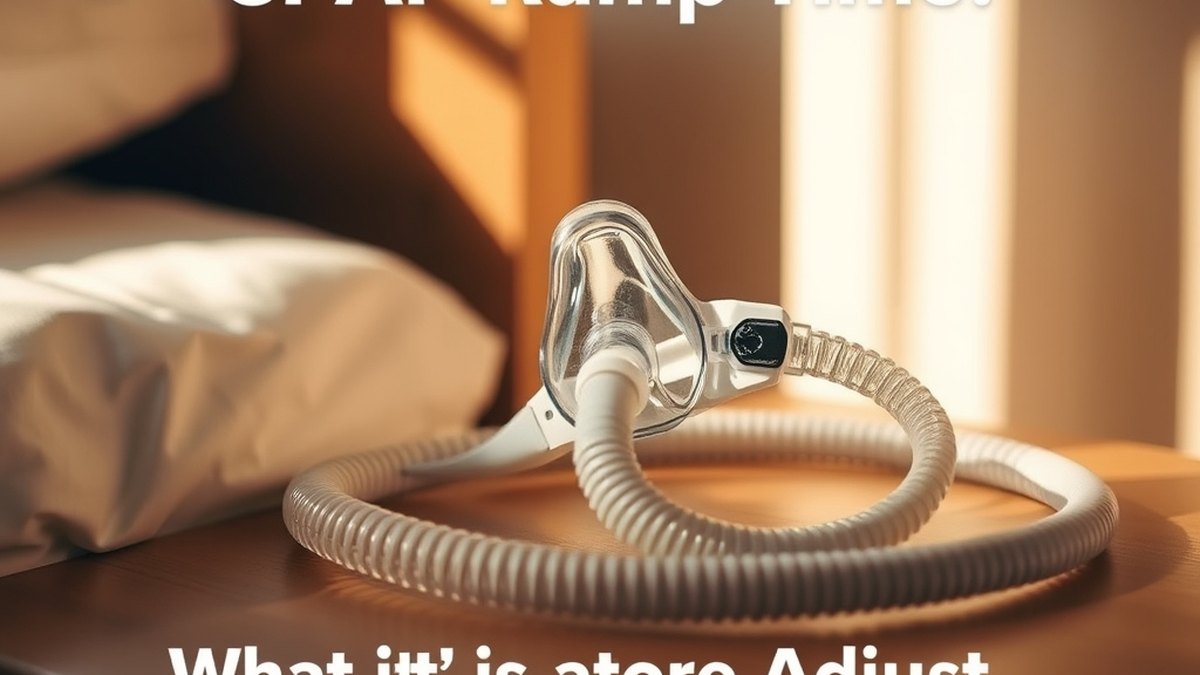
⚡ Key Clinical Takeaways
- CPAP and ramp time refers to a setting on many CPAP, APAP, and bilevel devices that begins therapy at a lower pressure and gradually raises it to your prescribed treatment pressure.
- Starting CPAP therapy can feel unusual, especially when the full pressure turns on immediately.
- Most CPAP machines let you change ramp time through the device menu or settings screen.
- Some users report that ramp time ends before they fall asleep, leaving them awake at full pressure.
- Ramp time and exhalation pressure relief are different features, though they are sometimes confused.
Quick answer: CPAP ramp time is a comfort feature found on many positive airway pressure devices. It starts therapy at a lower pressure and gradually increases it to your prescribed level over a set period, often between 5 and 45 minutes, so you can fall asleep more easily. If ramp time feels too short, too long, or does not seem to help, you can usually adjust it in your device menu or speak with your clinician about settings that match your prescribed therapy.
What is CPAP ramp time?
CPAP and ramp time refers to a setting on many CPAP, APAP, and bilevel devices that begins therapy at a lower pressure and gradually raises it to your prescribed treatment pressure. Ramp is a temporary pressure ramp-up period, not a replacement for your full treatment pressure. It is commonly offered in fixed ranges such as 5, 10, 15, 20, 25, 30, or 45 minutes, depending on the device manufacturer. Some machines also offer an automatic ramp that attempts to detect when you fall asleep and adjusts accordingly.
This feature is designed to make the beginning of therapy feel gentler. Because the pressure starts low, exhaling may feel easier while you are still awake. Once the ramp period ends, the device delivers the pressure your clinician prescribed based on your sleep study results. Ramp time does not change your prescribed pressure; it only changes how quickly the device reaches it. Organizations such as the American Academy of Sleep Medicine describe CPAP as a common treatment for obstructive sleep apnea, and patient resources explain that comfort settings can help people adjust to therapy https://aasm.org/ https://sleepeducation.org/.
Why ramp time matters for new users
Starting CPAP therapy can feel unusual, especially when the full pressure turns on immediately. Ramp time gives you a window to relax and fall asleep before the device reaches the target pressure. Many people find that a lower starting pressure reduces the sensation of air forcing into the nose or mouth, which can make the first few nights easier.
However, ramp time is not right for everyone. If you wake up when the pressure increases, or if you feel that therapy is not effective during the ramp period, you may want to discuss alternatives with your clinician. Some users prefer a shorter ramp, while others find that turning ramp off entirely works better for their sleep pattern. The National Heart, Lung, and Blood Institute notes that untreated sleep apnea can contribute to poor sleep and daytime tiredness, which is why finding a comfortable setup matters https://www.nhlbi.nih.gov/health/sleep-apnea.
How to adjust ramp time on your device
Most CPAP machines let you change ramp time through the device menu or settings screen. The exact steps vary by manufacturer, but the process usually follows a similar pattern.
- Turn on the device and access the setup or clinical menu, often by pressing and holding two buttons together as described in your user guide.
- Locate the ramp or comfort settings menu and select ramp time.
- Choose a duration that matches your preference, commonly between 5 and 45 minutes, or select auto if available.
- Save the setting and run a short test to confirm the pressure behaves as expected.
- If you cannot find the menu, contact your equipment provider or clinician for help rather than guessing at settings.
Changing ramp time yourself is usually allowed for patient comfort settings, but you should not change your prescribed pressure without your clinician’s guidance. If you are reviewing coverage for sleep studies or related services, Medicare provides information on sleep study coverage https://www.medicare.gov/coverage/sleep-studies.
Common ramp time problems and practical fixes
Some users report that ramp time ends before they fall asleep, leaving them awake at full pressure. Others say the pressure increase wakes them up. A few find that the starting pressure feels too low to breathe comfortably against.
| Issue | Possible fix to discuss with your clinician |
|---|---|
| Ramp ends too soon | Try a longer ramp duration, such as moving from 10 to 20 or 30 minutes. |
| Pressure increase wakes you | Consider a shorter ramp or auto-ramp if your device supports it. |
| Starting pressure feels too low | Ask about adjusting the ramp start pressure within your device’s allowed range. |
| Mask leaks during ramp | Check mask fit and cushion seal before changing pressure settings. |
| Dry nose or mouth | Use heated humidification if available and discuss with your clinician. |
If you continue to have trouble falling asleep or staying asleep with CPAP, it may be helpful to review general sleep hygiene information. The CDC offers resources about sleep health https://www.cdc.gov/sleep/about/index.html, and the NHS provides guidance on insomnia https://www.nhs.uk/conditions/insomnia/.
Ramp time versus exhalation relief
Ramp time and exhalation pressure relief are different features, though they are sometimes confused. Ramp time gradually increases pressure over minutes, while exhalation relief lowers pressure briefly when you breathe out. One addresses the start of therapy; the other addresses breath-by-breath comfort during the night.
Compared with exhalation relief, ramp time affects the overall pressure curve at the beginning of the session. Exhalation relief typically reduces pressure by a small amount during exhalation, depending on the device and setting. You can often use both features together if your device supports them.
When to speak with your clinician
You should contact your clinician if ramp time adjustments do not improve comfort, if you wake frequently during the night, or if you snore or gasp while using CPAP. Your clinician may review data from your device, such as usage hours and mask leak reports, to decide whether your pressure settings need review.
Bring your device, mask, and any usage data to your appointment. If you do not yet have a sleep specialist, you can compare clinics in the directory to find a provider near you. You may also want to review what happens during a sleep study or how to choose a sleep clinic before scheduling a visit. MedlinePlus offers an overview of sleep disorders https://medlineplus.gov/sleepdisorders.html, and the Sleep Foundation provides additional information about sleep health https://www.sleepfoundation.org/.
Frequently asked questions
What does CPAP ramp time do?
CPAP ramp time starts therapy at a lower pressure and gradually increases it to your prescribed setting over a chosen period, often between 5 and 45 minutes.
Can I change ramp time myself?
Most devices allow patients to adjust ramp duration through the settings menu, but you should not change your prescribed pressure without your clinician’s input.
How long should ramp time be?
Typical ramp times range from 5 to 45 minutes, and the right length depends on how quickly you fall asleep and how the pressure feels.
Does ramp time affect my treatment pressure?
No. Ramp time only changes how quickly the device reaches your prescribed pressure; it does not alter the final pressure setting.
What if ramp time wakes me up?
Try a shorter or longer ramp, or ask your clinician about auto-ramp and exhalation relief options that may suit your breathing pattern better.
Where can I find a sleep clinic?
You can compare clinics in the directory or read about signs you should see a sleep specialist to help decide your next step.
This article is for general education only and is not medical advice. Always follow your clinician’s instructions for CPAP settings and therapy.
Related reading
For more context, see what happens during a sleep study and signs you should see a sleep specialist.
Tracking ramp time and therapy progress
Many modern CPAP devices record usage data that can help you and your clinician evaluate whether your ramp time setting is working. Data typically includes total hours of use, the number of nights the device was used, mask leak measurements, and apnea-hypopnea index readings once therapy pressure is reached. Some devices also log how often the ramp feature is activated and whether therapy pressure is maintained for the full sleep period. Reviewing this information over weeks or months can show patterns, such as whether you consistently remove the mask shortly after ramp ends or whether leaks increase when pressure climbs. Bring a printed report or the device itself to follow-up appointments so your clinician can compare the data against your symptoms and sleep study results.
Mask fit and ramp time comfort
The type of mask you use can affect how ramp time feels during the first minutes of therapy. Nasal masks cover only the nose, nasal pillows rest at the nostrils, and full-face masks cover both the nose and mouth. A lower starting pressure during ramp may feel gentler with a nasal pillow mask, while some full-face mask users prefer a slightly longer ramp to adjust to the sensation of air across a larger surface area. Mask cushion materials, headgear tension, and frame size all influence seal quality. If you notice air leaking around the mask during ramp, try readjusting the headgear straps or replacing a worn cushion before changing pressure settings. Your equipment provider can help you try different mask sizes or styles if fit remains an issue.
Ready to find an accredited sleep clinic near you?
Browse 7,246 verified sleep centers (4,975 AASM accredited), filter by tests and treatments, and reach out directly — all in one verified directory.
🔍 Search Accredited Centersor call a clinic directly from its profile — every listing has a verified phone number.
This medical guide complies with the American Academy of Sleep Medicine (AASM) standards of care for sleep disorders and reflects generally accepted clinical guidelines. It is informational and not a substitute for personalized medical advice.