CPAP and Pressure That Feels Too High: Fixes That Work
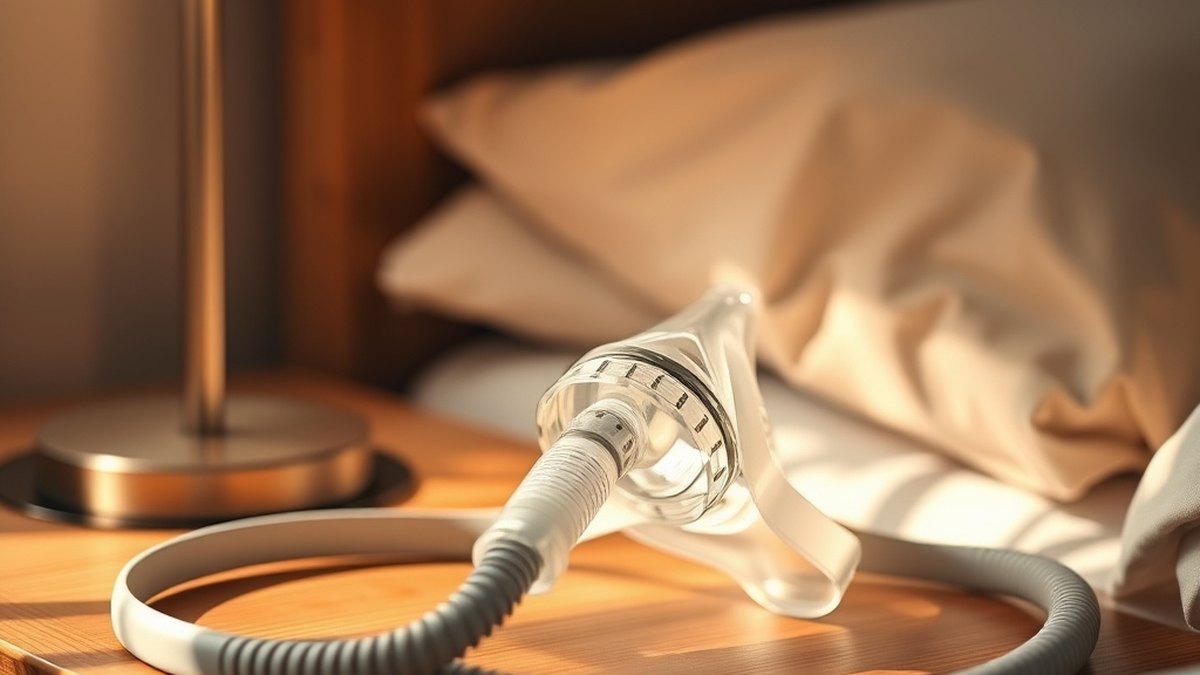
⚡ Key Clinical Takeaways
- CPAP and pressure that feels too high is a common complaint among people beginning positive airway pressure therapy.
- Several factors can make prescribed pressure feel stronger than expected.
- Many CPAP machines include comfort features designed to reduce the sensation of high pressure.
- A poorly fitting mask is one of the most common reasons CPAP pressure feels too high.
- You should reach out to your clinician if pressure discomfort persists after trying comfort settings and mask adjustments.
Quick answer: CPAP pressure that feels too high can often be managed by adjusting ramp time, expiratory pressure relief, mask fit, or humidifier use. Your clinician can review your therapy data and pressure prescription, which may be fixed or auto-adjusting and typically falls within a range such as 4 to 20 cm H2O. Small changes to comfort settings may reduce the sensation of forced air without changing your prescribed treatment.
What CPAP pressure that feels too high means
CPAP and pressure that feels too high is a common complaint among people beginning positive airway pressure therapy. CPAP stands for continuous positive airway pressure, a treatment that delivers a steady stream of air through a mask to keep the airway open during sleep. Pressure is measured in centimeters of water, abbreviated as cm H2O. Typical CPAP settings commonly fall between 4 and 20 cm H2O, though the exact number depends on your sleep study results and your clinician’s prescription. When pressure feels excessive, you may notice air leaking from the mask, dryness in the nose or throat, or difficulty exhaling against the airflow. These sensations do not necessarily mean the pressure setting is wrong, but they are worth discussing with your sleep care team.
Why CPAP pressure can feel excessive
Several factors can make prescribed pressure feel stronger than expected. New users often need time to adjust to the sensation of airflow, and the first few weeks are commonly the most challenging. Mask fit also plays a major role; a mask that is too loose or the wrong style can create leaks that make pressure seem uneven or forceful. Nasal congestion, allergies, or a deviated septum may restrict airflow and increase the perception of pressure. Humidifier settings that are too low can dry out the airway, making each breath feel harsher. In some cases, the pressure itself may need review if your sleep patterns, weight, or symptoms have changed since your original titration study.
Comfort settings that may help
Many CPAP machines include comfort features designed to reduce the sensation of high pressure. Ramp settings allow the device to start at a lower pressure and gradually increase over a set period, often 5 to 45 minutes, so you can fall asleep before reaching full therapy pressure. Expiratory pressure relief, sometimes called EPR or flex depending on the manufacturer, lowers pressure during exhalation and then returns to the therapeutic level for inhalation. Heated humidification can add moisture to the airflow, reducing nasal and throat irritation. These features are usually adjustable through the machine’s menu or a connected app, but changes should be discussed with your clinician to ensure therapy remains effective.
Mask fit and pressure perception
A poorly fitting mask is one of the most common reasons CPAP pressure feels too high. If the cushion does not seal properly, air may escape into your eyes or blow across your face, creating a sensation of excessive force. Nasal masks, nasal pillows, and full-face masks each distribute pressure differently, and the right choice often depends on whether you breathe through your nose or mouth during sleep. Headgear should be snug but not overtightened; over-tightening can cause skin irritation and worsen leaks. Replacing cushions and filters on a regular schedule, commonly every few months or as the manufacturer recommends, helps maintain a consistent seal and steady airflow.
When to contact your sleep clinic
You should reach out to your clinician if pressure discomfort persists after trying comfort settings and mask adjustments. Signs that warrant a call include ongoing aerophagia, which is swallowing air that can cause bloating, frequent mask removal during the night, or waking with a dry mouth despite humidifier use. Your care team can download data from your CPAP machine to review usage hours, leak rates, and apnea-hypopnea index trends. They may suggest a pressure change, a different mask type, or a repeat sleep study if your needs have shifted. Bringing your machine or usage data to the appointment can help the clinician make informed recommendations.
Practical steps to try tonight
- Turn on ramp mode and set it to a duration that gives you time to fall asleep, commonly 20 to 30 minutes.
- Check that your mask cushion is clean, intact, and seated correctly without over-tightening the headgear.
- Adjust humidifier heat or moisture level if your nose or throat feels dry.
- Try sleeping on your side with a supportive pillow to reduce mask shifting.
- Note any leaks, dryness, or discomfort in a sleep log to share with your clinician.
- Schedule a follow-up if symptoms continue beyond one to two weeks.
Fixed pressure versus auto-adjusting CPAP
| Feature | Fixed-pressure CPAP | Auto-adjusting CPAP (APAP) |
|---|---|---|
| Pressure delivery | Stays at one set level all night | Changes within a prescribed range based on breathing |
| Typical pressure range | Often a single value, such as 10 cm H2O | Commonly between 4 and 20 cm H2O |
| Best suited for | Stable, predictable breathing patterns | Variable pressure needs across sleep positions or stages |
| User adjustment | Requires clinician to change setting | Device adjusts automatically within limits |
The difference between fixed-pressure CPAP and auto-adjusting devices matters when pressure feels too high. A fixed-pressure machine delivers the same level throughout the night, while an APAP can lower pressure when breathing is stable and raise it when events are detected. Some people find auto-adjusting therapy more comfortable because the pressure is not constantly at the maximum prescribed level. Your clinician determines which device type is appropriate based on your diagnostic sleep study and titration results.
Related sleep health resources
Understanding sleep apnea and related sleep conditions can help you work more effectively with your care team. The American Academy of Sleep Medicine provides clinical guidance on sleep disorders and treatment standards here. AASM patient education explains obstructive sleep apnea and CPAP therapy in plain language here. The National Heart, Lung, and Blood Institute offers an overview of sleep apnea causes, symptoms, and diagnosis here. The CDC also shares information about sleep health and why sufficient rest matters here.
Frequently asked questions
Can I lower my CPAP pressure myself?
It is best not to change your prescribed pressure without speaking to your clinician. Therapy pressure is set based on your sleep study, and altering it could affect how well your airway stays open during sleep. Your care team can review your data and decide whether an adjustment is appropriate.
How long does it take to get used to CPAP pressure?
Adjustment timelines vary, but many people begin to feel more comfortable within two to four weeks. Using ramp settings, practicing with the mask during the day, and keeping a consistent sleep schedule can help ease the transition.
Will a different mask make pressure feel lower?
A better-fitting mask can reduce leaks and the sensation of forced air, which may make pressure feel more tolerable. Mask choice depends on your breathing habits, facial structure, and comfort preferences, so it is worth discussing options with your clinician or equipment provider.
Does high CPAP pressure cause side effects?
Pressure that feels too high can contribute to dry mouth, nasal irritation, aerophagia, or difficulty exhaling. These issues are often manageable with humidification, pressure relief settings, or mask changes. Persistent symptoms should be reviewed by your clinician.
How often should I follow up with my sleep clinic?
Follow-up schedules vary, but many clinics check in within the first few weeks of therapy and then at regular intervals, such as every six to twelve months. You can contact your clinic sooner if you experience ongoing discomfort, mask leaks, or changes in your sleep quality.
Where can I find a sleep clinic near me?
You can browse listings and compare clinics in your area through the Sleep Clinic Directory. The directory also includes articles on how to choose a sleep clinic and what happens during a sleep study to help you prepare for your visit.
This article is for general information only and is not medical advice. If you have concerns about your CPAP pressure or sleep therapy, speak with your clinician or a qualified sleep specialist.
Ready to find an accredited sleep clinic near you?
Browse 7,246 verified sleep centers (4,975 AASM accredited), filter by tests and treatments, and reach out directly — all in one verified directory.
🔍 Search Accredited Centersor call a clinic directly from its profile — every listing has a verified phone number.
This medical guide complies with the American Academy of Sleep Medicine (AASM) standards of care for sleep disorders and reflects generally accepted clinical guidelines. It is informational and not a substitute for personalized medical advice.