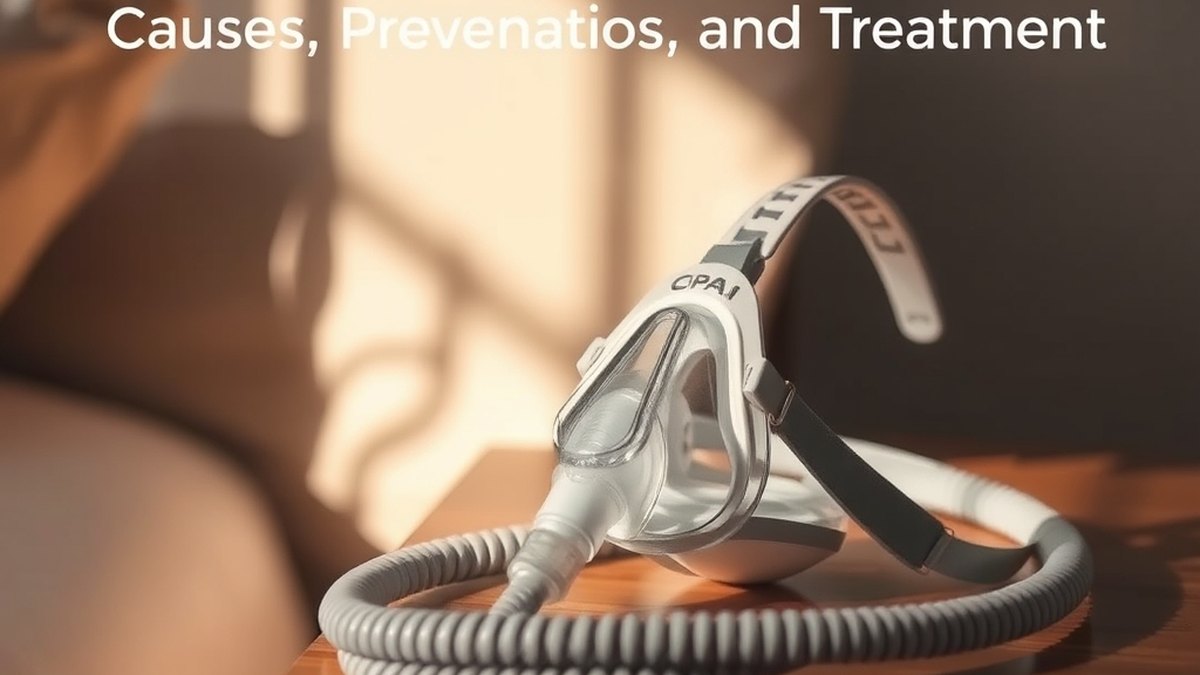
CPAP and Mask Rash: Causes, Prevention, and Treatment
⚡ Key Clinical Takeaways
- CPAP and mask rash is skin irritation that develops where the mask cushion touches the face.
- Several factors contribute to CPAP and mask rash.
- Fit is one of the most important factors in preventing irritation.
- Regular cleaning removes oils, sweat, and bacteria that can worsen mask rash.
- Using a fragrance-free moisturizer at least 30 minutes before putting on the mask can help protect the skin barrier.
Quick answer: CPAP and mask rash usually comes from friction, trapped moisture, or a poor seal rather than the machine itself. Adjusting strap tension, cleaning the cushion daily, trying a different mask type, and using a skin barrier can often reduce irritation. If redness, broken skin, or sores persist, contact your clinician or sleep clinic for guidance. This information is not medical advice.
What is CPAP and mask rash?
CPAP and mask rash is skin irritation that develops where the mask cushion touches the face. It often appears as redness, itching, dryness, or small bumps around the nose, cheeks, forehead, or chin. CPAP therapy delivers pressurized air through a mask worn during sleep, and the contact between cushion and skin can create friction or trap sweat and oils. Many people who use CPAP notice some skin sensitivity at some point, especially in the first few weeks of therapy or during hot, humid weather. Understanding what causes the irritation is the first step toward making therapy more comfortable.
CPAP mask rash typically presents as contact dermatitis or pressure-related irritation. Contact dermatitis may show up as a pink or red rash with itching or burning, while pressure irritation often leaves distinct indentations or pale marks where the cushion presses hardest. The rash can appear on the bridge of the nose, along the cheeks, on the forehead above the cushion, or around the chin strap area. Some users develop small papules or pustules if bacteria become trapped under the cushion. The irritation may be worse in the morning after a full night of wear and may improve during the day when the mask is off. Keeping a simple log of when redness appears and where it is located can help you and your clinician identify whether the issue is related to fit, material, or hygiene.
Common causes of mask-related skin irritation
Several factors contribute to CPAP and mask rash. A mask that is too tight can press the cushion into the skin and restrict airflow to the surface. A mask that is too loose may leak and rub against the face with each breath. Silicone cushions can cause reactions in people with sensitivities, while fabric or gel cushions may hold moisture against the skin. Facial oils, sweat, and leftover cleaning residue can also clog pores or irritate the skin. Sleep position matters too; side sleepers may experience more pressure on one side of the face. Identifying which factor is most likely in your situation can help you choose the right adjustment.
Specific causes include over-tightened headgear, which can create deep pressure marks within 30 minutes of putting the mask on, and under-tightened straps that allow the cushion to shift and chafe the skin throughout the night. Silicone allergies, though uncommon, can cause itching and redness that spreads beyond the immediate contact area. Residue from dish soap, vinegar solutions, or scented wipes left on the cushion can cause chemical irritation when pressed against the face for eight hours. Facial hair can prevent a proper seal, leading to air leaks that dry out the skin or cause whistling that prompts users to tighten the mask further. Environmental factors such as bedroom humidity below 30 percent or above 60 percent can also affect skin moisture levels. Side sleepers often develop irritation on the dependent side of the face where the pillow pushes the mask into the skin, while back sleepers may notice more pressure on the forehead or bridge of the nose.
How mask fit affects skin health
Fit is one of the most important factors in preventing irritation. Headgear should hold the mask securely without digging into the skin. Many clinics suggest starting with straps loosened, then tightening gradually until leaks stop. A good seal usually means the cushion rests evenly without deep pressure marks. Nasal pillows contact a smaller area, which may reduce cheek irritation but can cause nostril soreness. Full-face masks cover more surface and may create pressure on the bridge of the nose. Trying different sizes and styles often helps find a better match. The American Academy of Sleep Medicine provides general information about sleep apnea and treatment options at aasm.org.
When assessing fit, check for even contact across the cushion without gaps. The mask should sit level on the face, not tilted up or down. Headgear clips should be symmetrical, with both sides adjusted to the same hole or position. A common fitting method is to lie down in your usual sleep position before finalizing strap tension, since facial muscles relax differently when horizontal. Pressure marks should fade within 15 to 30 minutes after removing the mask; if they last longer, the mask is likely too tight. Leak rates reported by your CPAP machine can indicate whether the seal is adequate; many devices display leak data in liters per minute, and your clinician can help interpret what is acceptable for your model. Nasal pillow masks typically suit users who want minimal facial contact, while full-face masks are often recommended for mouth breathers or those with nasal congestion. Hybrid masks cover the mouth and seal under the nose, offering a middle ground. Sizing guides vary by manufacturer, so a medium in one brand may correspond to a large in another.
Daily cleaning routine to reduce irritation
Regular cleaning removes oils, sweat, and bacteria that can worsen mask rash. Wash the cushion daily with mild, fragrance-free soap and warm water, then let it air dry completely before reuse. Headgear and tubing can typically be cleaned weekly. Avoid harsh cleaners, alcohol-based wipes, or heavily scented soaps, which may leave residue or dry out the skin. Replace cushions according to the manufacturer’s schedule, often every few months, because worn materials can become rough or less effective at sealing. The NHLBI offers patient-focused information about sleep apnea at nhlbi.nih.gov.
A practical daily routine involves disassembling the mask each morning, rinsing the cushion under warm running water, and using a soft cloth or your fingers with a small amount of mild soap to remove visible residue. Avoid scrubbing with brushes or abrasive sponges, which can create microscopic tears in the silicone where bacteria can collect. Rinse thoroughly until no soap film remains, then shake off excess water and place the cushion on a clean towel away from direct sunlight. Direct heat or UV exposure can degrade silicone over time. Headgear can be hand-washed weekly in warm water with mild detergent, then air dried; some headgear is machine washable on a gentle cycle if the manufacturer permits. Tubing should be hung to dry completely to prevent moisture buildup inside the hose. Replace disposable filters as recommended, usually every two weeks to one month, and reusable filters according to the device manual. Cushions typically show signs of wear such as loss of elasticity, discoloration, or small tears; keeping a spare cushion on hand allows you to rotate and extend the life of each one.
Skin care and cushion options
Using a fragrance-free moisturizer at least 30 minutes before putting on the mask can help protect the skin barrier. Some people use mask liners or barrier pads to reduce direct contact between the cushion and the skin. If silicone causes irritation, gel or fabric cushions may be worth trying. Mask liners are thin fabric layers placed between the cushion and face; they can absorb moisture and reduce friction. Changing cushion materials is a common adjustment discussed during follow-up visits with a sleep specialist. Patient education resources from the AASM are available at sleepeducation.org.
Choose a moisturizer labeled non-comedogenic and free of fragrances, dyes, and alcohol. Apply a thin layer to clean, dry skin and wait until it is fully absorbed—usually 20 to 30 minutes—before fitting the mask. Applying moisturizer immediately before putting on the mask can break the seal or cause the cushion to slip. Mask liners are available in materials such as cotton, bamboo, or synthetic blends and are designed to fit specific mask models; they should be washed or replaced regularly to avoid becoming a source of irritation themselves. Barrier pads made of hydrocolloid or foam can be placed over high-pressure areas such as the nasal bridge or forehead to distribute pressure. If you have oily skin, a lightweight gel moisturizer may be preferable to a heavy cream. For users with dry skin, a cream containing ceramides or dimethicone may help reinforce the skin barrier, but it should still be fragrance-free and applied well in advance of mask use. Gel cushions tend to conform to facial contours and may reduce pressure points, while fabric cushions can feel softer against the skin but may require more frequent washing. Your sleep specialist can order trial cushions or masks so you can compare materials before committing to a purchase.
When to contact your clinician or sleep clinic
Mild redness that fades after removing the mask is often manageable at home. However, broken skin, blisters, persistent sores, or signs of infection such as warmth, swelling, or pus should prompt a call to your clinician. You may also want to reach out if leaks continue despite fit adjustments or if skin irritation interferes with nightly use. Sleep clinics can help assess mask fit, pressure settings, and alternative interface options. You can compare clinics in the directory to find a provider near you.
Contact your clinician promptly if you notice open wounds that do not heal within a few days, spreading redness, fever, or painful lumps near the mask contact area. These may indicate a bacterial or fungal infection requiring prescription treatment. If you find yourself regularly loosening the mask to the point of significant leaks just to relieve skin pain, your pressure settings or mask choice may need reevaluation. Clinicians can perform a mask fit check, review your therapy data for leak patterns, and suggest different interface types such as nasal pillows, nasal masks, or full-face options. Some clinics offer mask desensitization programs for new users who struggle with skin tolerance. Bring your mask, headgear, and cleaning routine details to your appointment so the provider can assess whether your current setup contributes to the problem.
Practical next steps
- Loosen headgear and retighten gradually until the seal feels secure without pressure marks.
- Wash the cushion daily with mild, fragrance-free soap and warm water.
- Let all mask parts air dry completely before the next use.
- Try a mask liner or switch cushion material if irritation continues.
- Contact your clinician if skin does not improve after one to two weeks.
Questions to ask your sleep clinician
If you schedule an appointment about mask-related skin irritation, consider asking the following:
- Is my current mask size and style appropriate for my facial structure and sleep position?
- Could my CPAP pressure settings be contributing to mask leaks or excessive pressure on my skin?
- Would a different cushion material, such as gel or fabric, be better for my skin type?
- Are mask liners or barrier pads recommended for my specific mask model?
- Should I be tested for silicone sensitivity or contact dermatitis?
- How often should I replace my cushion, headgear, and filters based on my usage?
- Can you review my machine’s leak data to see if poor sealing is worsening my skin irritation?
Frequently asked questions
How long does CPAP mask rash last?
Mild irritation often improves within a few days to two weeks after adjusting fit or cleaning habits. If it lasts longer, contact your clinician.
Can I use lotion under my CPAP mask?
Use a fragrance-free moisturizer and allow it to absorb fully before putting on the mask. Heavy or scented products may interfere with the seal.
How often should I replace my mask cushion?
Many manufacturers suggest replacing cushions every three to six months, depending on use and wear.
Will a different mask type help?
Nasal pillows, nasal masks, and full-face masks contact different areas of the face. Your clinician can help determine which style may suit your needs.
Is mask rash a sign of infection?
Not usually, but broken skin or symptoms such as pus, swelling, or increasing pain should be evaluated by a clinician.
Where can I find a sleep clinic?
You can browse the directory to compare sleep clinics and find one that offers CPAP support and mask fitting.
Related reading
For more context, see what happens during a sleep study and signs you should see a sleep specialist.
Ready to find an accredited sleep clinic near you?
Browse 7,246 verified sleep centers (4,975 AASM accredited), filter by tests and treatments, and reach out directly — all in one verified directory.
🔍 Search Accredited Centersor call a clinic directly from its profile — every listing has a verified phone number.
This medical guide complies with the American Academy of Sleep Medicine (AASM) standards of care for sleep disorders and reflects generally accepted clinical guidelines. It is informational and not a substitute for personalized medical advice.