CPAP Machine Noise: Causes, Fixes, and When to Contact Your Clinician
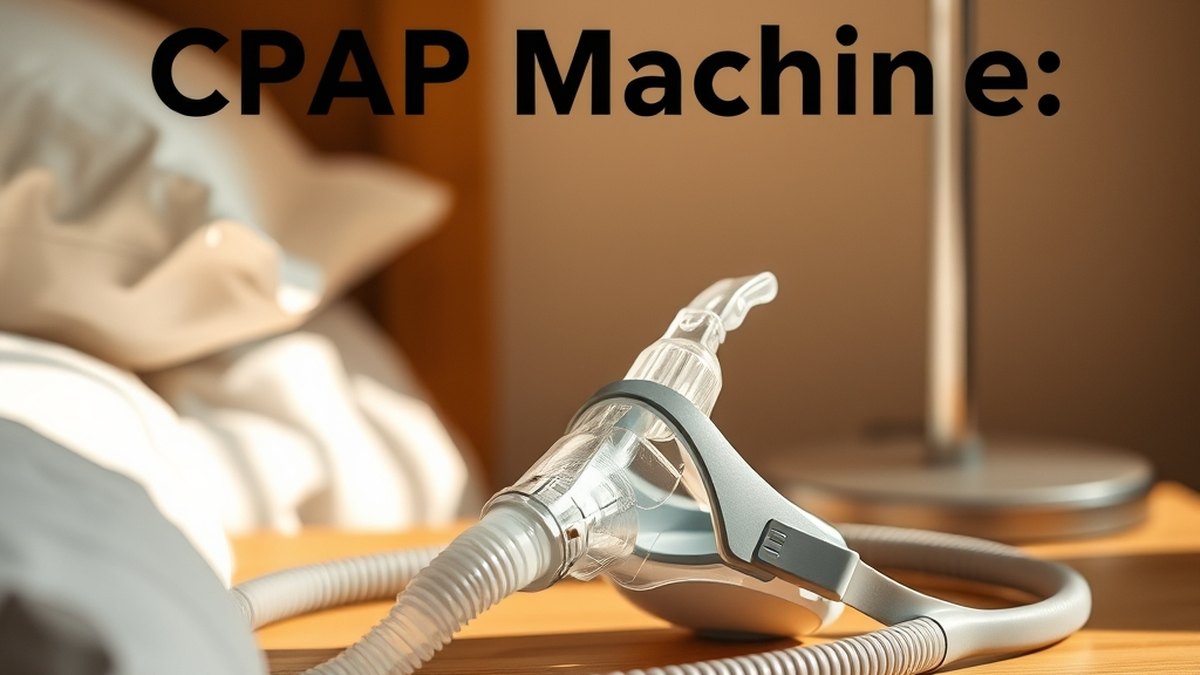
⚡ Key Clinical Takeaways
- CPAP and machine noise refers to the sound a positive airway pressure device makes while delivering pressurized air through a mask and tubing.
- Noise can tempt some users to reduce usage or stop therapy altogether, but interrupted treatment may allow apnea symptoms to return.
- Most CPAP noise falls into a few categories.
- A poor mask seal is one of the most frequent causes of CPAP and machine noise.
- Regular maintenance keeps sound levels low and supports device performance.
Quick answer: CPAP and machine noise usually comes from air leaks around the mask, a dirty or clogged filter, hose vibration, condensation in the tubing, or an aging device. Simple steps such as checking mask fit, cleaning or replacing the filter, placing the unit on a stable surface, and adjusting tubing placement often reduce sound. If noise persists, contact your clinician to review settings or equipment.
What CPAP and machine noise means
CPAP and machine noise refers to the sound a positive airway pressure device makes while delivering pressurized air through a mask and tubing. Typical operating sound is often around 25 to 30 decibels, similar to a quiet whisper, though older or poorly maintained units can run louder. A well-functioning machine should produce a steady, low hum rather than rattling, whistling, or gurgling. When sound changes suddenly, it often points to a specific issue such as a clogged filter, loose connection, or mask seal problem. Identifying the type of noise helps determine whether a basic adjustment will help or whether you should contact your clinician for equipment review. Untreated sleep apnea is associated with daytime sleepiness and other health concerns, which is why consistent therapy matters; the National Heart, Lung, and Blood Institute describes obstructive sleep apnea as a common disorder in which breathing repeatedly stops and starts during sleep.
Understanding what normal CPAP sound looks like can help you spot problems early. Many modern devices list a decibel rating in the user manual, often in the mid-20s to low-30s range, though actual room sound can vary based on placement and room acoustics. A soft, consistent airflow sound through the mask is expected, but sharp whistles, loud rattles, or bubbling noises are not. Keeping a brief log of when the noise occurs—such as only when lying on one side or after using the humidifier—can give your clinician useful information during a follow-up visit.
Why consistent CPAP use matters
Noise can tempt some users to reduce usage or stop therapy altogether, but interrupted treatment may allow apnea symptoms to return. The American Academy of Sleep Medicine patient education site notes that positive airway pressure therapy helps keep the airway open during sleep. When machine noise is managed effectively, users are more likely to keep the device on all night, which supports better rest and reduces the risk of sleep deprivation. The National Heart, Lung, and Blood Institute explains that ongoing sleep deprivation can affect mood, concentration, and overall health.
Consistent use is often measured in hours per night and nights per week, with many sleep clinicians looking for at least four hours of use per night on 70 percent of nights as a common benchmark for adherence. If noise causes you to remove the mask mid-sleep, your therapy hours may drop below that threshold even if you put the device on at bedtime. Bed partners can also be affected by loud CPAP sound, which sometimes leads to the machine being moved to another room or turned off. Addressing noise early helps protect both your therapy routine and your household sleep environment.
Common sources of CPAP machine noise
Most CPAP noise falls into a few categories. Air leaking around the mask cushion often creates a hiss or whistle, especially if the mask is the wrong size or the headgear is too loose. A dirty or clogged filter forces the motor to work harder, which can increase operating sound. Tubing that rubs against the headboard, wall, or nightstand may cause vibration or rattling. Water in the hose from heated humidification can produce gurgling sounds. Finally, an older device or one with a worn motor may simply run louder than it did when new. Checking each of these areas in turn usually reveals the cause.
Beyond those main categories, some users notice a high-pitched whine from the intake vent if dust has built up inside the device, or a clicking sound if the humidifier chamber is not seated correctly. Masks with exhalation ports can produce a gentle puffing noise that is normal, but if that port becomes partially blocked, the sound can change. Tracking whether the noise is constant or intermittent—such as occurring only during inhalation or exhalation—can help narrow down whether the issue lies with the mask, the hose, or the machine itself.
Mask fit and seal checks
A poor mask seal is one of the most frequent causes of CPAP and machine noise. Start by lying down in your usual sleep position and tightening the headgear just enough to stop leaks without creating pressure points. Many masks include a dial or adjustment feature to fine-tune the cushion. If air escapes near the eyes or mouth, try a different cushion size or mask style. Nasal pillows, nasal masks, and full-face masks seal differently, and what works for one person may not work for another. Your clinician can help you trial options and confirm that pressure settings match the mask type you use.
When checking the seal, pay attention to facial hair, which can prevent a full-face or nasal mask from sitting flush against the skin; trimming or shaving the area where the cushion contacts the face sometimes improves the seal. Skin oils and night creams can also degrade cushion material over time, so washing your face before putting on the mask may help the cushion adhere better. If you use a full-face mask and breathe through your mouth, a chin strap may reduce mouth leaks that sound like whistling. Ask your clinician about a mask fitting appointment or a trial period with different cushion sizes before committing to a new mask.
Filter, hose, and humidifier maintenance
Regular maintenance keeps sound levels low and supports device performance. Reusable filters typically need rinsing weekly and replacement every month or two, while disposable filters are often replaced every two to four weeks. Inspect the hose for small holes or condensation, and hang it to dry after cleaning. If you use heated humidification, empty excess water each morning and refill with distilled water as directed. Keeping the intake vent clear of dust and pet hair also prevents the motor from straining. These steps take only a few minutes and can noticeably reduce whistling or motor noise.
To clean reusable filters, remove them according to the manual, rinse under cool tap water until the water runs clear, and allow them to air dry completely before reinstalling—never put a damp filter back into the machine. Disposable filters should not be washed; replace them when they appear gray or clogged. Hoses can be washed weekly in warm water with mild soap, then rinsed and hung over a shower rod or drying rack away from direct sunlight. Humidifier chambers should be emptied daily, rinsed, and allowed to dry; many manufacturers recommend replacing the chamber every six to twelve months. If you notice mineral buildup from tap water, switching to distilled water can reduce residue that might otherwise contribute to gurgling or blockages.
Placement and sound-dampening tips
Where you put the machine matters. Place it on a flat, stable surface at least a few inches from walls and curtains so air can flow freely. A rubber mat or folded towel under the unit can reduce vibration against a nightstand. Keep the hose elevated with a tubing holder or clip so it does not rub against furniture. Some users run the hose under the bed covers to muffle sound, but avoid kinking the tubing. If the machine sits on a hardwood or laminate floor, a small rug underneath may absorb additional noise. These adjustments often lower perceived sound without changing any settings.
Position the machine below the level of your head when possible, as this can reduce the chance of water draining back into the mask or tubing. Avoid placing the device inside a closed cabinet or drawer, which can restrict airflow and cause the motor to run hotter and louder. If your nightstand is made of thin material that amplifies vibration, moving the machine to a heavier, solid-surface dresser may help. Some users place the machine on the floor at the side of the bed using a long hose, but ensure the tubing remains clear of foot traffic and does not become a tripping hazard.
When to contact your clinician
If you have checked the mask, filter, hose, and placement and the device still sounds loud or irregular, contact your clinician. Whistling that continues after seal adjustments, sudden increases in motor volume, or error messages on the display may indicate a worn component or a need for pressure review. Most devices last roughly three to five years, and older units may become noisier over time. Your clinician can test the machine, check therapy data, and discuss whether a replacement or different mask interface is appropriate. Do not attempt to open or repair the device yourself.
It is also worth contacting your clinician if you notice changes in your therapy data, such as a rising apnea-hypopnea index or increased leak rates, alongside the noise. Some clinics offer equipment checks where a respiratory therapist can listen to the device in person and measure sound output. If your machine is under warranty, the clinician or durable medical equipment provider may be able to arrange a repair or replacement at no cost. Bring your mask, hose, and power cord to the appointment so the full setup can be evaluated together.
Quick comparison: common noise sources versus likely fixes
| Noise type | Likely cause | Typical fix |
|---|---|---|
| Hissing or whistling | Mask leak or loose headgear | Refit cushion, adjust straps, try different size |
| Rattling or vibration | Hose touching furniture or hard surface | Use tubing holder, place mat under machine |
| Gurgling | Water in hose from humidifier | Drain hose, use distilled water, elevate tubing |
| Loud motor hum | Clogged filter or aging device | Clean or replace filter, contact clinician |
Steps to reduce CPAP machine noise
- Inspect the mask cushion and headgear for wear, and refit while lying in your sleep position.
- Remove, clean, or replace the filter according to the device manual, typically every one to four weeks.
- Check the hose for holes or condensation, and hang it to dry after cleaning.
- Place the machine on a stable surface a few inches from walls, using a mat to limit vibration.
- Secure tubing with a holder so it does not rub against the bed or nightstand.
- If noise continues, contact your clinician to review equipment settings or discuss replacement options.
What to ask your clinician about CPAP noise
If you schedule an appointment to discuss CPAP noise, having a short list of questions can make the visit more productive. Consider asking:
- Is my current noise level within the expected range for this device model?
- Could my pressure settings be contributing to mask leaks or whistling?
- Would a different mask style or cushion size reduce air leak noise?
- Does my therapy data show high leak rates that might explain the sound?
- Is my machine due for replacement based on age or usage hours?
- Should I try a heated hose or different humidifier setting to reduce condensation?
- Is my device still under warranty, and what does the warranty cover?
Frequently asked questions
Why is my CPAP machine so loud all of a sudden?
A sudden increase in noise often stems from a dirty filter, a new mask leak, or water in the tubing. Check these items first, then contact your clinician if the sound does not improve.
Can a dirty filter make my CPAP louder?
Yes. A clogged filter restricts airflow and can cause the motor to work harder, increasing operating sound. Replacing or cleaning the filter on schedule typically helps.
How far should the CPAP machine be from the wall?
Placing the unit a few inches away from walls and curtains allows proper airflow and can reduce echo or vibration. Avoid enclosing it in a drawer or cabinet.
Does mask type affect CPAP noise?
Yes. Nasal pillows, nasal masks, and full-face masks seal differently, and an ill-fitting cushion can create whistling. Your clinician can help you compare options.
How often should I replace CPAP supplies?
Filters are often replaced every one to four weeks, masks and cushions every few months, and tubing as needed when worn. Follow your device manual and clinician guidance.
Should I buy a quieter CPAP machine?
Newer models often run at lower decibel levels, but you should first troubleshoot your current device. Contact your clinician to determine whether an upgrade is appropriate for your needs.
This article is for general education and is not medical advice. Speak with your clinician about your sleep health and equipment.
Related reading
For more context, see what happens during a sleep study and signs you should see a sleep specialist.
Ready to find an accredited sleep clinic near you?
Browse 7,246 verified sleep centers (4,975 AASM accredited), filter by tests and treatments, and reach out directly — all in one verified directory.
🔍 Search Accredited Centersor call a clinic directly from its profile — every listing has a verified phone number.
This medical guide complies with the American Academy of Sleep Medicine (AASM) standards of care for sleep disorders and reflects generally accepted clinical guidelines. It is informational and not a substitute for personalized medical advice.