CPAP and Hose Placement: Fixes That Work
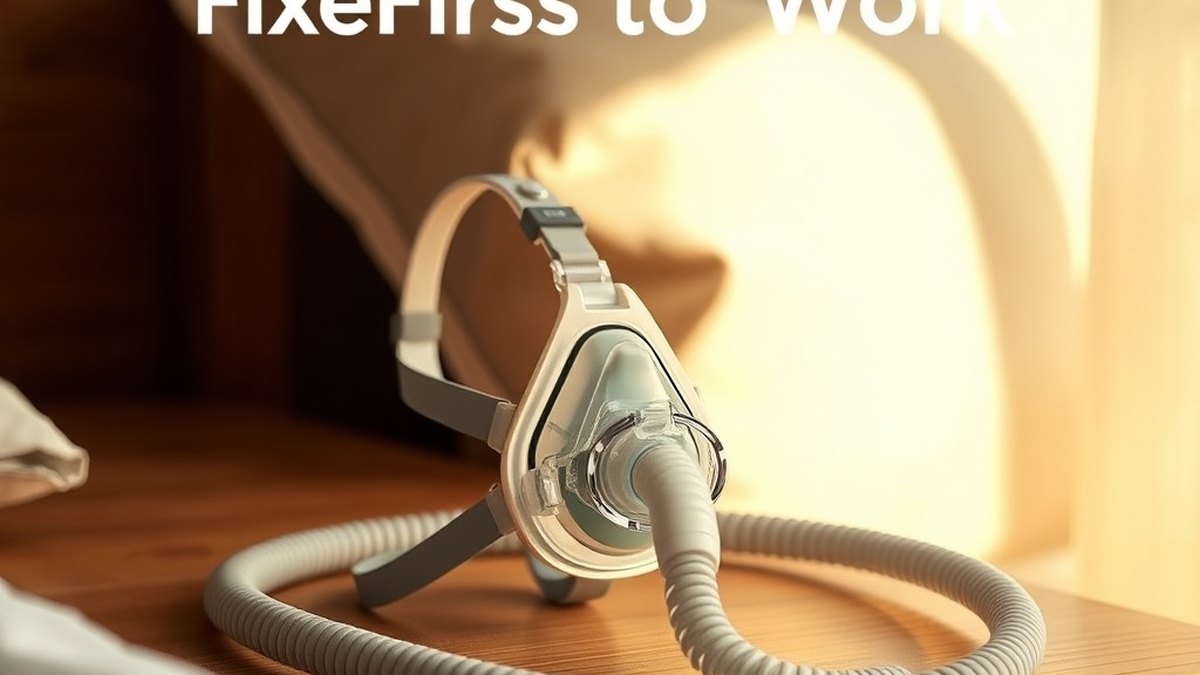
⚡ Key Clinical Takeaways
- CPAP and hose placement describes the physical arrangement of your CPAP machine, flexible tubing, and mask in relation to your bed and sleeping position.
- When the hose is too short or runs at a sharp angle, it can pull on the mask and break the seal, leading to air leaks and dry eyes or mouth.
- Placing the CPAP machine on the floor can expose it to dust and make the hose more likely to bunch up.
- Use a hose holder, clip, or stand to keep the tubing off the floor and away from your face.
- Nasal pillow masks often work well with the hose coming from above, because the tube is less likely to press against the face.
Quick answer: CPAP and hose placement refers to how you position your CPAP machine, tubing, and mask at bedtime. Proper placement can reduce mask leaks, prevent hose tangling, and make nightly use more comfortable. Typical fixes include keeping the machine at bed level, using hose clips or stands, and checking that tubing has slack without loops that collect condensation. If problems continue, discuss them with your clinician.
What CPAP and hose placement means
CPAP and hose placement describes the physical arrangement of your CPAP machine, flexible tubing, and mask in relation to your bed and sleeping position. A CPAP machine delivers pressurized air through a hose to a mask worn over the nose, mouth, or both. Where you place the machine and how you route the hose can affect airflow, mask seal, and whether the tube pulls on the mask during the night. According to the American Academy of Sleep Medicine, consistent CPAP use is central to managing obstructive sleep apnea, so a setup that supports nightly adherence matters according to the American Academy of Sleep Medicine. Most setups work best when the machine sits on a stable surface near the bed and the hose has enough length to move with you without tugging.
Why placement affects comfort and leaks
When the hose is too short or runs at a sharp angle, it can pull on the mask and break the seal, leading to air leaks and dry eyes or mouth. If the machine sits too high, gravity can cause condensation to drain back toward the mask. If it sits too low, the hose may kink under the bed or nightstand. Typical hose lengths range from 6 to 8 feet, which gives most people enough slack for side or back sleeping. Positioning matters because even small tugs can shift a nasal pillow or full-face mask enough to trigger leak alerts on the device. The National Heart, Lung, and Blood Institute notes that untreated sleep apnea can contribute to daytime sleepiness and other health concerns according to the National Heart, Lung, and Blood Institute, making comfortable, leak-free placement a practical part of ongoing therapy.
Common setup mistakes to avoid
Placing the CPAP machine on the floor can expose it to dust and make the hose more likely to bunch up. Putting it on a high shelf may create a downward slope that encourages water buildup in the tube. Running the hose under a pillow or blanket can trap heat and increase condensation. Taping or clamping the hose tightly to the headboard can restrict movement and wake you when you turn over. Another frequent issue is forgetting to check the filter and tubing connections, which can reduce pressure delivery if they become loose or blocked. Poor sleep quality from untreated apnea or uncomfortable equipment may also contribute to sleep deprivation, which the CDC describes as a public health concern according to the CDC.
Practical fixes for hose placement
Use a hose holder, clip, or stand to keep the tubing off the floor and away from your face. Many people route the hose over the headboard or attach it to a bedside pole so it stays above shoulder level. Leave a gentle loop of slack near the mask so you can change positions without pulling. If you use a heated hose, keep the entire tube at roughly the same height to reduce rainout. Some users place the machine on a low, sturdy table beside the bed rather than on the carpet. Check that the power cord and hose do not cross walkways where they could be tripped over. MedlinePlus offers general information on sleep disorders and device use according to MedlinePlus.
Mask type and hose routing
Nasal pillow masks often work well with the hose coming from above, because the tube is less likely to press against the face. Nasal masks can tolerate side routing, but the hose should still clear the ear and temple area. Full-face masks cover more surface area, so a downward pull from the hose is more likely to lift the mask seal. Side sleepers may benefit from positioning the hose on the side opposite their usual sleeping position, or using a specialized pillow with a cutout for the mask and tube. Your clinician can help match mask style to your sleep position and pressure needs.
Humidification and condensation control
Warm, humidified air can cool inside the tube and form droplets, a problem users often call rainout. Keeping the hose covered with a fabric wrap, using a heated hose, or lowering the humidifier setting may reduce moisture buildup. Positioning the machine lower than the mask can also help gravity move condensation away from your face, though you should avoid creating sharp bends or kinks in the tubing. If condensation persists, your clinician can help adjust humidification settings or suggest different hose management tools.
Travel and temporary setups
When traveling, CPAP and hose placement often changes because you are using an unfamiliar nightstand or a smaller travel machine. Pack the hose and mask in a protective case, and bring a portable hose clip or collapsible stand if you use one at home. In a hotel, place the machine on a stable surface away from the edge of the table and route the hose so it does not cross the floor. If you use a CPAP device for sleep apnea, Medicare may cover sleep studies and related equipment under certain conditions; you can review coverage details according to Medicare.
When to contact your clinic
If you wake with a dry mouth, nasal congestion, or red marks from mask pressure, placement may be only part of the issue. Persistent leak messages, whistling sounds, or the feeling that pressure is too high or too low are reasons to reach out to your sleep clinic. A clinician can review device data, check mask fit, and suggest different hose management tools. Do not adjust pressure settings yourself. If you are looking for a sleep clinic, you can compare options in the directory or read about how to choose a sleep clinic.
Frequently asked questions
Does hose length matter for CPAP therapy?
Most standard CPAP hoses are about 6 to 8 feet long. Longer hoses give more movement freedom but can be heavier and more prone to tangling. Shorter hoses may restrict position changes. Your equipment provider can confirm what length works with your machine.
Can I put the CPAP machine on the floor?
You can, but it is not ideal. Floor placement increases dust exposure and makes the hose more likely to kink or collect debris. A stable nightstand or low table near the bed is typically easier to keep clean and access.
What causes water in the CPAP hose?
Condensation, sometimes called rainout, happens when warm, humidified air cools inside the tube. Keeping the hose covered, using a heated hose, or lowering the humidifier setting can reduce it. Your clinician can help adjust humidification if needed.
Should the hose go over or under the blanket?
Neither is ideal if it traps heat or kinks the tube. Keeping the hose above the bedding with a clip or stand usually allows better airflow and less condensation. The key is to avoid sharp bends and tight loops.
How often should I replace CPAP tubing?
Many manufacturers and clinics suggest replacing standard tubing every 6 to 12 months, or sooner if it develops cracks, holes, or a persistent odor. Check your device manual and talk with your equipment supplier about replacement timing.
Can I adjust CPAP pressure myself?
No. Pressure settings are prescribed based on your sleep study and clinical evaluation. Changing them without your clinician’s input can affect therapy safety and effectiveness. Always discuss pressure concerns with your sleep specialist.
This article is for general patient education and is not medical advice. If you have symptoms or questions about CPAP therapy, talk with your clinician. You can explore local options and learn what happens during a sleep study or review signs you should see a sleep specialist.
Ready to find an accredited sleep clinic near you?
Browse 7,246 verified sleep centers (4,975 AASM accredited), filter by tests and treatments, and reach out directly — all in one verified directory.
🔍 Search Accredited Centersor call a clinic directly from its profile — every listing has a verified phone number.
This medical guide complies with the American Academy of Sleep Medicine (AASM) standards of care for sleep disorders and reflects generally accepted clinical guidelines. It is informational and not a substitute for personalized medical advice.