CPAP and Allergies: Fixes That Work
⚡ Key Clinical Takeaways
- CPAP and allergies refers to the interaction between continuous positive airway pressure therapy and allergic rhinitis symptoms such as sneezing, runny nose, and nasal congestion.
- Dust mites, pet dander, mold spores, and pollen are among the most common bedroom allergens.
- Nasal congestion increases airway resistance, which can make CPAP pressure feel higher than usual.
- Several practical adjustments can improve comfort during allergy season or year-round sensitivity.
- Regular mask cleaning removes oils, dust, and allergens that collect on the cushion and frame.
Quick answer: CPAP and allergies often overlap because nasal congestion from allergens can make mask use uncomfortable. Typical fixes include controlling bedroom allergens, using saline rinses, adjusting humidifier settings, checking mask fit, and talking with your clinician about allergy medication timing. Most people notice improvement within days to a few weeks of consistent changes.
What CPAP and allergies means
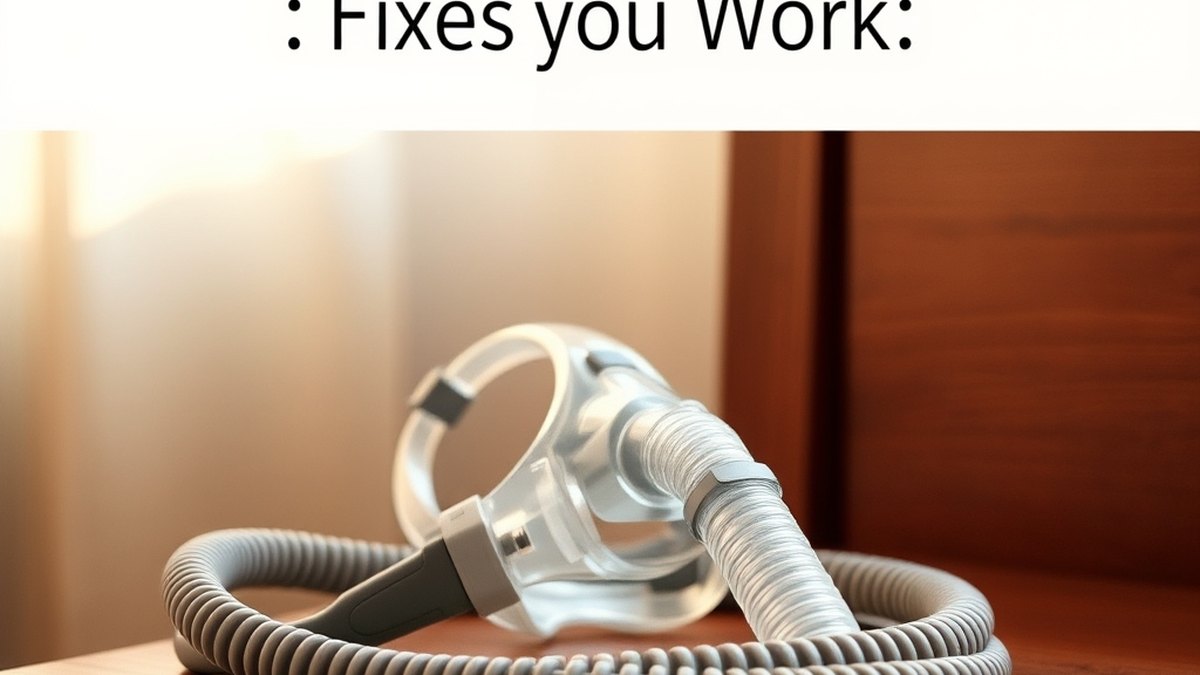
CPAP and allergies refers to the interaction between continuous positive airway pressure therapy and allergic rhinitis symptoms such as sneezing, runny nose, and nasal congestion. CPAP is a therapy that delivers pressurized air through a mask to keep the airway open during sleep.
Allergic reactions can swell nasal passages and increase mucus, which may make nasal masks or pillows feel blocked. Full-face masks sometimes help when congestion is significant, but they can also feel bulkier. Understanding this relationship is the first step toward practical adjustments.
Common allergy triggers in the bedroom
Dust mites, pet dander, mold spores, and pollen are among the most common bedroom allergens. Dust mites often live in mattresses, pillows, and bedding, while pet dander can collect on carpets and upholstered furniture. Mold may grow in damp areas or inside humidifier chambers if not cleaned regularly.
Pollen can enter through open windows or cling to clothing and hair. Typical exposure reduction steps include washing bedding in hot water weekly, using allergen-proof mattress and pillow covers, keeping pets out of the bedroom, and running an air purifier with a HEPA filter. Many people find symptom relief after several weeks of consistent environmental control.
How congestion affects CPAP comfort
Nasal congestion increases airway resistance, which can make CPAP pressure feel higher than usual. Mouth breathing may develop when the nose is blocked, leading to dry mouth, mask leaks, and reduced therapy effectiveness. Some users remove the mask during the night because breathing feels labored.
Humidification can help by adding moisture to the airflow, but excessive moisture may worsen congestion for some people. Heated tubing often reduces rainout in the mask and tube. Mask type matters too: nasal pillows may feel clearer during mild congestion, while full-face masks can accommodate mouth breathing when the nose is severely blocked.
Practical fixes for CPAP and allergies
Several practical adjustments can improve comfort during allergy season or year-round sensitivity. Saline nasal rinses before bedtime may clear mucus and reduce swelling. Many clinicians suggest using the rinse about 30 minutes before putting on the mask.
CPAP humidifier settings commonly range from level 1 to 6, with most users starting around level 3 and adjusting based on dryness or condensation. Filter replacement typically happens every two weeks for disposable filters and every six months for reusable ones, though dusty homes may require more frequent changes. Mask cushions usually last three to six months before replacement, depending on wear and skin oils.
Daily routine and mask care
Regular mask cleaning removes oils, dust, and allergens that collect on the cushion and frame. Most users wash the mask daily with mild soap and warm water, then air-dry it away from direct sunlight. The humidifier chamber should be emptied each morning, rinsed, and refilled with distilled water before the next use.
Replacing filters on schedule prevents dust from being blown into the airway. If you wake with a stuffy nose, consider whether bedroom temperature, pet access, or open windows may be contributing. Keeping a symptom log for one to two weeks can help you and your clinician identify patterns and decide whether medication timing or mask changes are needed.
Comparison: nasal mask vs full-face mask during congestion
| Factor | Nasal mask or pillows | Full-face mask |
|---|---|---|
| Best when | Nose is clear or mildly congested | Nose is significantly blocked |
| Breathing route | Primarily nasal | Nose and mouth |
| Typical feel | Lighter, less facial contact | Bulkier, more coverage |
| Leak risk with congestion | Higher if mouth breathing starts | Lower if sealed properly |
| Common adjustment | Add humidification or saline rinse | Check forehead and bridge fit |
When to talk to your clinician
If congestion persists despite environmental controls and mask adjustments, contact your clinician. Signs that warrant a conversation include nightly mask removal, waking with a dry mouth most nights, or allergy symptoms that interfere with sleep more than three nights per week.
Your clinician may review allergy medication timing, suggest nasal steroid sprays, or evaluate whether pressure settings need adjustment. Do not stop CPAP therapy without discussing it first, because untreated sleep apnea can carry health risks. Bringing your usage data and symptom notes to the appointment helps the conversation stay practical.
Next steps you can try this week
- Wash all bedding in hot water and encase pillows and mattress in allergen-proof covers.
- Keep pets out of the bedroom and run a HEPA air purifier if you have one.
- Try a saline nasal rinse about 30 minutes before bedtime.
- Check your CPAP filter and replace it if it looks discolored or has been in use longer than two weeks.
- Adjust humidifier setting by one level up or down based on dryness or condensation.
- Track mask comfort and congestion for seven days, then share notes with your clinician.
Frequently asked questions
Can allergies make CPAP harder to use?
Yes. Nasal congestion from allergies can increase resistance and make the airflow feel stronger, which may lead to mask leaks or removal during the night.
Should I switch to a full-face mask if my nose is blocked?
A full-face mask can help if you are mouth breathing due to congestion, but fit and comfort vary. Discuss options with your clinician before changing mask types.
How often should I clean my CPAP mask?
Most users wash the mask cushion daily with mild soap and warm water, then let it air dry. Follow your device manufacturer’s instructions for the tubing and humidifier chamber.
Can I use allergy medication with CPAP?
Many people use allergy medications alongside CPAP, but timing and type matter. Talk with your clinician about what is appropriate for your situation.
Will a humidifier help with allergy congestion?
Humidification adds moisture to the airflow and may reduce dryness, but too much moisture can worsen congestion for some users. Adjust gradually and observe how you feel.
How do I find a sleep clinic near me?
You can compare sleep clinics in the directory to find a location that offers CPAP setup, mask fitting, and follow-up support. Look for clinics with experience in allergy-related CPAP challenges.
This article is for general education and is not medical advice. Consult your clinician for personal health decisions.
Related reading
For more context, see what happens during a sleep study and signs you should see a sleep specialist.
Ready to find an accredited sleep clinic near you?
Browse 7,246 verified sleep centers (4,975 AASM accredited), filter by tests and treatments, and reach out directly — all in one verified directory.
🔍 Search Accredited Centersor call a clinic directly from its profile — every listing has a verified phone number.
This medical guide complies with the American Academy of Sleep Medicine (AASM) standards of care for sleep disorders and reflects generally accepted clinical guidelines. It is informational and not a substitute for personalized medical advice.