CPAP and a Cold: Practical Tips for Continuing Therapy
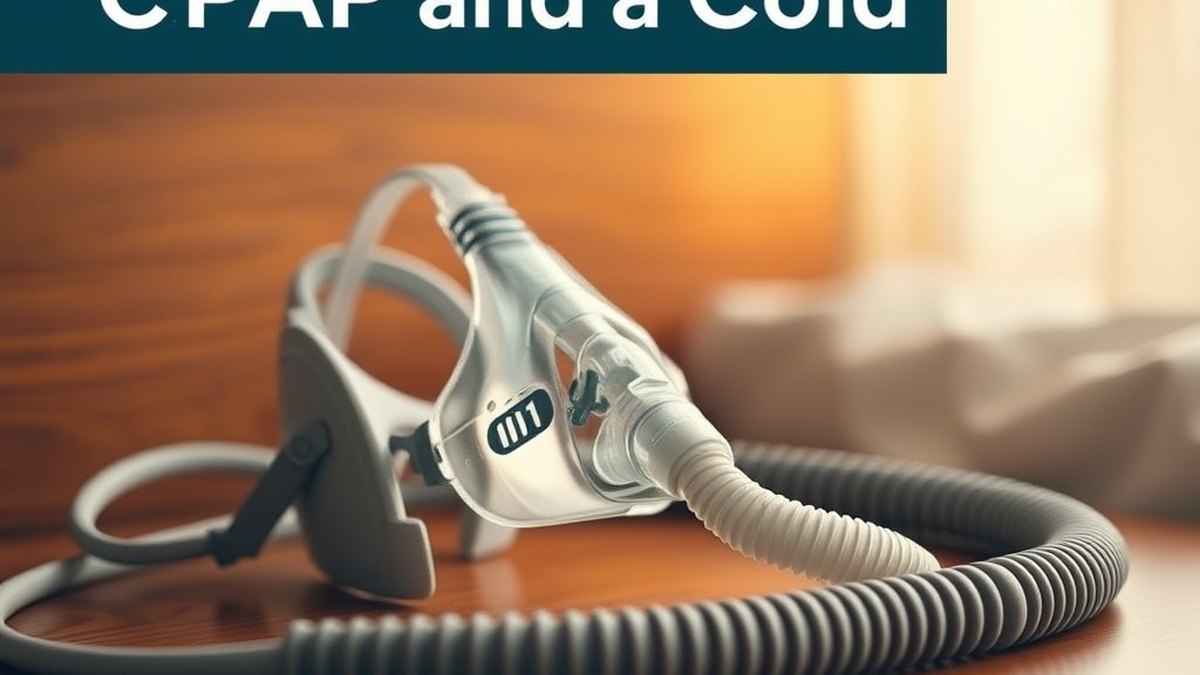
⚡ Key Clinical Takeaways
- CPAP, or continuous positive airway pressure, is a therapy that delivers a steady flow of air through a mask to keep the airway open during sleep.
- Nasal congestion forces many people to breathe through the mouth, which can lead to air leaks if you use a nasal mask or nasal pillows.
- Dry, cold air can irritate nasal passages, especially when congestion is already present.
- Germs can linger on mask cushions, tubing, and humidifier chambers, so cleaning frequency often increases during a cold.
- Sleeping on your side may reduce nasal congestion compared with sleeping on your back, which can make CPAP feel easier to tolerate.
Quick answer: CPAP and a cold can be managed with practical changes such as adjusting mask fit, using humidifier settings, cleaning equipment more often, and trying different sleeping positions. Most people can continue therapy during a short-term illness, though comfort may vary. If symptoms persist or worsen, contact your clinician for guidance.
What CPAP and a cold means for your therapy
CPAP, or continuous positive airway pressure, is a therapy that delivers a steady flow of air through a mask to keep the airway open during sleep. When you have a cold, nasal congestion, runny nose, and sore throat can make the mask feel less comfortable. Typical CPAP pressure settings often range from 4 to 20 cm H2O, and many people use the device for at least four hours per night. A cold usually lasts around 7 to 10 days, which means short-term adjustments are often enough. The main difference between using CPAP when healthy versus using it with a cold is that congestion can increase mask leakage and dryness. You do not need to stop therapy solely because of a cold, but you may need to change how you use it. The American Academy of Sleep Medicine provides background on sleep apnea and treatment options at https://aasm.org/.
Practical steps to assess your therapy during a cold
Start by checking your mask seal each night before you fall asleep. Turn the machine on and listen for hissing or whistling sounds around the cushion, which often indicate a leak. Note whether your nose feels dry or stuffed after 30 minutes of use, as this can signal that humidity needs adjustment. Keep a simple log for the duration of your cold, usually about a week, recording hours used, mask type, humidifier level, and any discomfort. If you use a nasal mask or nasal pillows, pay attention to whether you are breathing through your mouth, since mouth breathing can bypass the humidified air and dry out your throat. Ask your clinician whether your current pressure setting remains appropriate while you are congested, and do not adjust it yourself.
How congestion affects mask fit and airflow
Nasal congestion forces many people to breathe through the mouth, which can lead to air leaks if you use a nasal mask or nasal pillows. A full-face mask covers both the nose and mouth and may work better during a cold, though it can feel bulkier. Mask cushions typically come in sizes such as small, medium, and large, and a proper seal helps prevent dry eyes and noisy leaks. If your usual mask feels too tight or irritates sensitive skin, trying a different cushion size or style may help. You can also adjust the headgear straps so the mask sits securely without pressing too hard on the bridge of the nose. The NHS describes obstructive sleep apnoea and mask options at https://www.nhs.uk/conditions/obstructive-sleep-apnoea/.
Mask options and fitting tips during illness
Nasal pillows rest at the entrance of the nostrils and may feel less claustrophobic, but they can be uncomfortable if your nasal passages are swollen. Nasal masks cover the nose only and work well if you can breathe through your nose, but congestion often undermines the seal. Full-face masks cover the nose and mouth, making them a common choice when a cold forces mouth breathing, though the larger surface area can shift more easily if you toss and turn. Cushion materials such as silicone or memory foam may feel different on sensitive or irritated skin, so testing a sample size can help you decide. When fitting any mask, lie down in your usual sleep position and tighten the headgear just enough to stop leaks; over-tightening often creates pressure points and can worsen leaks by distorting the cushion. Ask your equipment provider whether they offer a mask fitting appointment or a 30-day exchange policy so you can try a different style without committing to a purchase.
Humidifier settings and airway comfort
Dry, cold air can irritate nasal passages, especially when congestion is already present. Most CPAP machines include a heated humidifier with settings often numbered from 1 to 5 or 1 to 10. Increasing humidity by one or two levels may add moisture to the airflow and reduce dryness in the nose and throat. If you notice condensation in the tubing, lowering the setting slightly or using a tubing cover can help. Distilled water is typically recommended for the humidifier chamber to reduce mineral buildup. Emptying and drying the chamber each morning supports routine equipment care. MedlinePlus offers information on sleep apnea and related equipment at https://medlineplus.gov/sleepapnea.html.
Adjusting humidity and managing condensation
Begin with your usual humidifier setting and increase it by one level if your nose or throat feels dry in the morning. If you wake with a dry mouth despite using a full-face mask, the humidity may still be too low or you may have an undetected leak. Condensation, sometimes called "rainout," appears as water droplets inside the tubing or mask; if this happens, lower the humidity by one level or insulate the tubing with a fabric cover. Keep the CPAP machine below the level of your head so gravity helps prevent water from flowing back toward the mask. Use only distilled water in the chamber, as tap water can leave mineral deposits that reduce the humidifier's effectiveness over time. If your machine has a climate control or heated tubing feature, ask your clinician whether enabling it during a cold could improve comfort without causing condensation.
Cleaning routine during illness
Germs can linger on mask cushions, tubing, and humidifier chambers, so cleaning frequency often increases during a cold. Washing the mask cushion daily with mild soap and warm water removes oils and residue. Tubing and the humidifier chamber are commonly cleaned weekly, though some people rinse them more often while sick. Allow all parts to air dry completely before reassembly. Replacing disposable filters according to the manufacturer schedule, often every 30 days, helps maintain airflow. Avoid sharing your CPAP equipment with others, especially during respiratory illness. The CDC provides general sleep health information at https://www.cdc.gov/sleep/about/index.html.
Step-by-step cleaning process while sick
Disconnect the mask, tubing, and humidifier chamber from the machine. Wash the mask cushion in warm water with a mild, fragrance-free soap, then rinse thoroughly and set it on a clean towel to air dry. Rinse the tubing with warm, soapy water, swirl it gently, and hang it over a shower rod or drying rack so water can drain out completely. Empty the humidifier chamber, wash it with mild soap and warm water, rinse well, and let it dry upside down. Wipe the exterior of the CPAP machine with a slightly damp cloth, but do not immerse it in water or pour liquid into the intake. Replace disposable filters as directed, often every 30 days, and inspect reusable filters for visible dirt or discoloration. Reassemble only when every component is completely dry, since trapped moisture can encourage mold or bacterial growth.
Sleep position and pillow tips
Sleeping on your side may reduce nasal congestion compared with sleeping on your back, which can make CPAP feel easier to tolerate. Using an extra pillow to keep your head slightly elevated sometimes helps with drainage and breathing comfort. If you use a full-face mask, a contoured pillow designed for CPAP users may reduce pressure on the mask and limit leaks. Try different positions over a few nights to see what works best, and avoid stacking too many pillows, which can strain the neck.
Positioning strategies for congested nights
Side sleeping often keeps the airway more open than back sleeping and may reduce the chance of your tongue falling backward, which can worsen apnea events. If you normally sleep on your back, use a wedge pillow or an adjustable bed to elevate the head of the bed by a few inches; this can help nasal drainage and make breathing feel less labored. A CPAP-specific pillow typically has cutouts or indentations that accommodate the mask and hose, reducing the chance that the mask shifts when you move. Place the tubing over the headboard or use a hose holder so it does not pull on the mask as you change positions. Avoid propping your head up with multiple standard pillows, which can bend the neck forward and make breathing more difficult; one supportive pillow is usually enough.
When to pause or contact your clinician
You can often continue CPAP during a mild cold, but certain signs suggest reaching out to your clinician. These include persistent mask leaks, severe ear pain, worsening shortness of breath, or a fever that does not improve. If you use a heated humidifier and develop increased congestion or irritation, your clinician may suggest adjusting settings or trying a different mask type. Do not change pressure settings on your own. Your clinician can review your therapy data and recommend next steps based on your situation. The NHLBI offers resources on sleep apnea at https://www.nhlbi.nih.gov/health/sleep-apnea.
Questions to ask your clinician during a cold
When you call or message your clinician, be ready to describe how many hours you are able to use the device each night and whether your AHI or leak numbers have changed. Ask whether you should temporarily switch from a nasal mask to a full-face mask, and whether your humidifier setting should be raised or lowered. Inquire about over-the-counter decongestants or saline rinses and whether they are safe to use alongside your therapy. Ask if you should pause treatment if you develop a high fever, severe ear pain, or shortness of breath, and request guidance on how soon to schedule a follow-up if your symptoms do not improve within a week.
Other health factors that can affect CPAP use
Beyond a cold, other sleep-related conditions can influence how comfortable CPAP therapy feels. Insomnia may make it harder to fall asleep with a mask, while narcolepsy involves excessive daytime sleepiness that may require separate management. Sleep deprivation can also affect daytime alertness and how well you tolerate therapy. If you have concerns about any of these conditions alongside your CPAP use, discuss them with your clinician. The NHS provides information on insomnia at https://www.nhs.uk/conditions/insomnia/, on narcolepsy at https://www.nhs.uk/conditions/narcolepsy/, and the NHLBI covers sleep deprivation at https://www.nhlbi.nih.gov/health/sleep-deprivation.
Practical checklist for using CPAP with a cold
Consider keeping a short checklist handy during illness. Check mask fit each night and adjust straps if leaks appear. Raise humidifier humidity gradually if the air feels dry. Use distilled water in the chamber and empty it each morning. Wash the mask cushion daily with mild soap and warm water. Clean tubing and the chamber at least weekly, or more often while sick. Try side sleeping and an elevated pillow position. Keep replacement filters and spare cushions available. Contact your clinician if symptoms worsen or if you are unsure about continuing therapy.
Nightly cold-weather CPAP routine
Before bed, inspect the mask cushion for tears or stiffness and confirm the headgear is not twisted. Fill the humidifier chamber with distilled water to the fill line and set the humidity one level higher than usual if your nose feels dry. Position the tubing so it hangs freely and will not tug on the mask when you turn. Lie down in your chosen sleep position and adjust the mask until you no longer hear air escaping. In the morning, remove the chamber, empty any remaining water, and let it air dry. Wipe the cushion with a clean cloth if you do not have time for a full wash, and plan to wash it thoroughly later that day.
Frequently asked questions
Can I use CPAP with a stuffy nose?
Many people continue CPAP with a stuffy nose by adjusting humidity, trying a full-face mask, or changing sleep position. If congestion is severe, contact your clinician.
Should I increase humidifier settings when sick?
Increasing humidity by one or two levels often helps with dryness, but too much moisture can cause condensation in the tubing. Adjust gradually and check for water buildup.
How often should I clean my CPAP during a cold?
Wash the mask cushion daily and clean tubing and the humidifier chamber at least weekly, or more often if preferred. Let all parts dry completely before use.
Can a cold damage my CPAP machine?
A cold itself does not typically damage the machine, but moisture from congestion or improper cleaning can affect components. Follow the manufacturer cleaning guide.
Should I stop CPAP if I have a fever?
You do not need to stop automatically, but a fever with severe symptoms is a reason to contact your clinician for advice about continuing therapy.
Where can I find a sleep clinic near me?
You can compare options in the sleep clinic directory to find local providers and learn about available services.
This article is for general information only and is not medical advice. Talk with your clinician about your specific symptoms and CPAP therapy.
Related reading
For more context, see what happens during a sleep study and signs you should see a sleep specialist.
Ready to find an accredited sleep clinic near you?
Browse 7,246 verified sleep centers (4,975 AASM accredited), filter by tests and treatments, and reach out directly — all in one verified directory.
🔍 Search Accredited Centersor call a clinic directly from its profile — every listing has a verified phone number.
This medical guide complies with the American Academy of Sleep Medicine (AASM) standards of care for sleep disorders and reflects generally accepted clinical guidelines. It is informational and not a substitute for personalized medical advice.