A Sleep Study While Breastfeeding: What to Expect
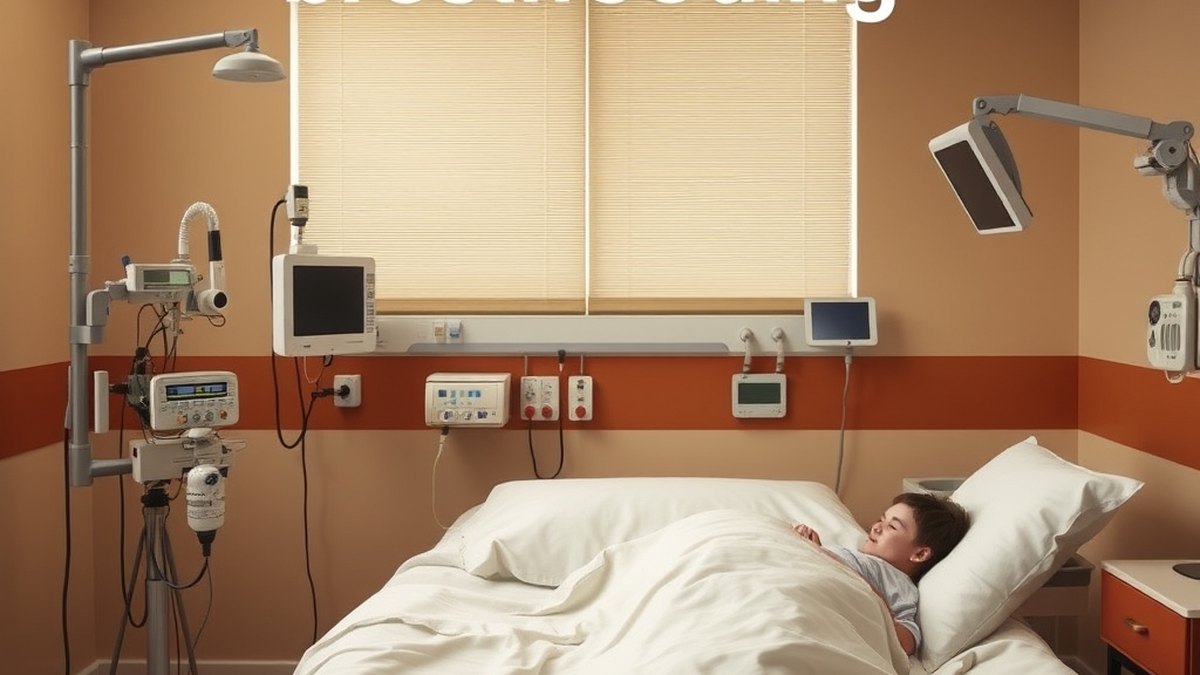
⚡ Key Clinical Takeaways
- A sleep study while breastfeeding is an overnight polysomnography test performed while a parent is actively nursing or pumping milk for an infant.
- Clinicians may recommend a sleep study while breastfeeding if a parent reports loud snoring, witnessed breathing pauses, excessive daytime sleepiness, or unrefreshing sleep.
- Many clinics allow breastfeeding or pumping during an overnight sleep study, but policies differ.
- Preparation can help the night go more smoothly.
- Bringing the right items can reduce stress and help you stick to your usual feeding routine.
Quick answer: A sleep study while breastfeeding is generally possible at most sleep clinics, and many facilities can accommodate overnight feeding, pumping, or rooming-in arrangements. You can usually bring your baby or pump milk as needed, though policies vary by clinic. Contact your clinician ahead of time to confirm what is allowed and to plan for a comfortable stay.
What is a sleep study while breastfeeding?
A sleep study while breastfeeding is an overnight polysomnography test performed while a parent is actively nursing or pumping milk for an infant. The study records brain waves, heart rate, breathing, oxygen levels, and body movements during sleep to help evaluate possible sleep disorders such as obstructive sleep apnea. Most studies last one full night, typically about 7 to 9 hours in the clinic, followed by a daytime review of results with your clinician. You can read more about the general process in our overview of what happens during a sleep study.
Why a sleep study while breastfeeding may be recommended
Clinicians may recommend a sleep study while breastfeeding if a parent reports loud snoring, witnessed breathing pauses, excessive daytime sleepiness, or unrefreshing sleep. These symptoms can point to obstructive sleep apnea or other sleep disorders. The American Academy of Sleep Medicine provides guidance on sleep medicine and testing standards through its professional organization, while the NHLBI describes sleep apnea and its health implications on its patient health page. The CDC also offers general information about sleep and why it matters through its sleep health resources.
Can you breastfeed during a sleep study?
Many clinics allow breastfeeding or pumping during an overnight sleep study, but policies differ. Some facilities permit an infant to stay in the room with a caregiver, while others provide a private space for pumping or storing milk. If you plan to bring your baby, ask whether a second adult can stay overnight to help with infant care so you can focus on sleeping. You may also be able to pump before bedtime and during the night if your clinic provides a refrigerator or cooler for milk storage.
How to prepare for the study
Preparation can help the night go more smoothly. Consider these steps:
- Call the sleep clinic at least one week before your appointment to ask about breastfeeding and pumping policies.
- Ask whether an infant or support person is allowed to stay overnight in the room.
- Pack a breast pump, milk storage bags, a cooler bag, and any nursing supplies you typically use.
- Bring comfortable sleepwear and a list of current medications to share with clinic staff.
- Ask about sensor placement and whether you can remove or adjust leads briefly for feeding or pumping.
- Confirm the clinic’s check-in time, which is often around 8:00 p.m. to 9:00 p.m., and discharge time, usually between 6:00 a.m. and 7:00 a.m.
What to pack for an overnight sleep study while breastfeeding
Bringing the right items can reduce stress and help you stick to your usual feeding routine. Most breastfeeding parents pack a double electric or manual breast pump, several milk storage bags or bottles labeled with the date and time, a small cooler bag with ice packs, nursing pads, a nursing pillow, a cover or shawl if you prefer privacy, and comfortable front-opening sleepwear that allows easy access for nursing or pump flange placement. You may also want to bring a phone charger, a water bottle, and a list of your infant’s typical feeding times so clinic staff can anticipate interruptions. If your baby will stay overnight, pack diapers, wipes, a change of clothes, and any soothing items such as a pacifier or white-noise machine, but confirm first that these are permitted in the sleep room.
What to expect during the overnight stay
When you arrive, a sleep technologist will attach sensors to your scalp, face, chest, arms, and legs. These wires connect to a small recording box, and most people are able to move around the room with them. The technologist will monitor you from a separate control room throughout the night. If you need to breastfeed or pump, you can usually alert staff so they can pause or note the interruption in the recording. The study typically captures at least 6 hours of usable sleep data, though the exact amount depends on how well you sleep with the sensors in place.
Breastfeeding vs bottle feeding during a sleep study
| Factor | Breastfeeding at the clinic | Bottle feeding or pumped milk |
|---|---|---|
| Infant in room | Often allowed with prior approval | Usually allowed with prior approval |
| Nighttime interruptions | May occur for feeding sessions | May occur for bottle preparation |
| Equipment needed | Nursing pillow, cover if desired | Bottles, warmer, formula or milk |
| Milk storage | Not needed if nursing directly | Cooler or refrigerator often needed |
How results are reviewed
After the study, a sleep specialist scores the recording, looking at sleep stages, breathing events, and oxygen saturation. This process typically takes about 1 to 2 weeks, though timing varies by clinic. Your clinician will then schedule a follow-up visit to discuss the findings and possible next steps. If you are breastfeeding, mention any concerns about medication safety or device use so your clinician can factor those into the conversation.
Insurance and coverage considerations
Coverage for sleep studies depends on your insurance plan and whether the study is deemed medically necessary. Many plans require prior authorization or a referral from a primary care provider or sleep specialist. Medicare provides information about sleep study coverage on its official coverage page, and you should contact your insurer directly to confirm what is included and what out-of-pocket costs may apply.
Questions to ask your sleep clinic before booking
Before you schedule your overnight study, it helps to have a written list of questions so nothing is overlooked. You might ask: Is an infant allowed to stay overnight in the sleep room, and if so, is there an age limit? Can a second adult or support person remain overnight to help with baby care? Is there a private, clean space for pumping if I prefer not to bring my infant? Does the clinic provide a refrigerator, freezer, or cooler for breast milk storage, and is there a nearby power outlet for an electric pump? Can sensor leads be temporarily disconnected or adjusted for feeding or pumping, and will the technologist note these interruptions in the study record? What are the exact check-in and discharge times, and is there flexibility if my infant’s feeding schedule runs late? Are there any additional charges for rooming-in an infant or for extra accommodations?
Frequently asked questions
Can I bring my baby to the sleep clinic?
Some clinics allow an infant to stay overnight with a parent, while others do not. Policies vary, so ask your clinic directly before your appointment.
Will pumping affect my sleep study results?
Pumping itself should not invalidate the study, but nighttime interruptions may reduce total sleep time. Technologists usually note these breaks in the recording.
How long does the study take?
An overnight sleep study usually requires about 7 to 9 hours at the clinic, with most centers aiming for at least 6 hours of recorded sleep.
Can I store breast milk at the clinic?
Many clinics offer a refrigerator or cooler for milk storage, but you should confirm this in advance and bring your own cooler bag as a backup.
Do I need a referral for a sleep study?
Many insurance plans and clinics require a referral from a primary care provider or sleep specialist, though requirements vary.
Where can I find a sleep clinic?
You can compare options and contact providers through our guide to choosing a sleep clinic or browse the main clinic directory.
This article is for general education only and is not medical advice. Please consult your clinician about your specific situation.
Ready to find an accredited sleep clinic near you?
Browse 7,246 verified sleep centers (4,975 AASM accredited), filter by tests and treatments, and reach out directly — all in one verified directory.
🔍 Search Accredited Centersor call a clinic directly from its profile — every listing has a verified phone number.
This medical guide complies with the American Academy of Sleep Medicine (AASM) standards of care for sleep disorders and reflects generally accepted clinical guidelines. It is informational and not a substitute for personalized medical advice.